
Grow Your Manufacturing Business with Professional Website Development
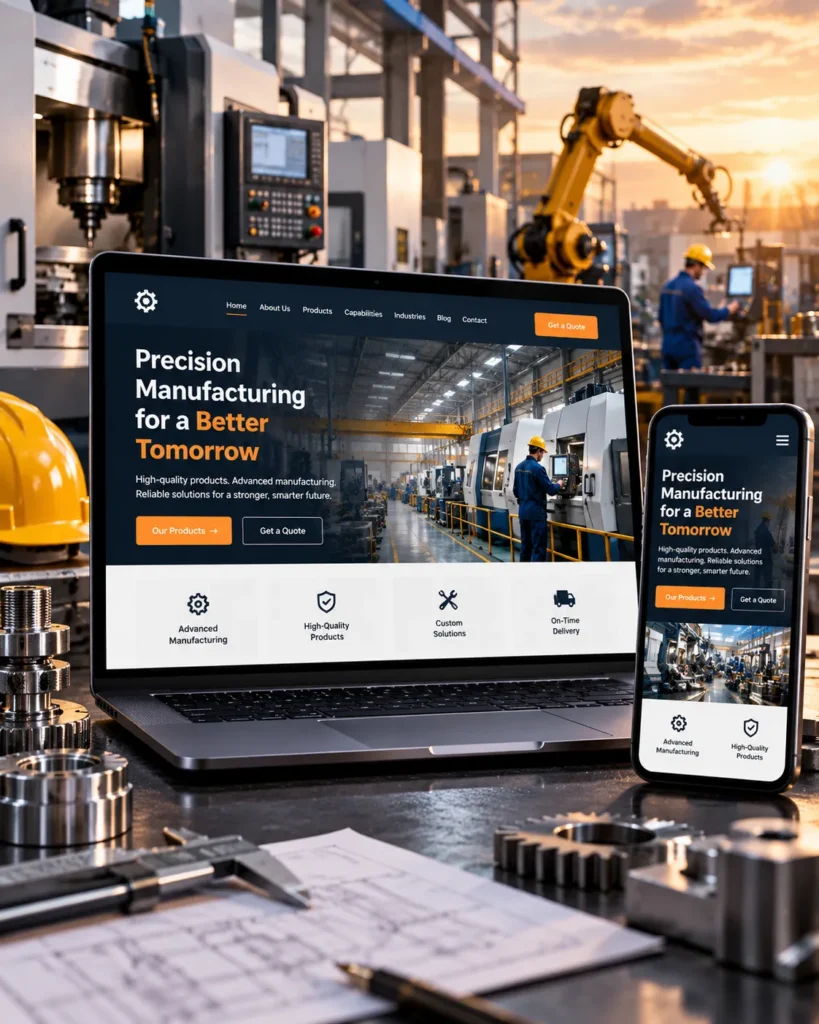
Looking for Manufacturing Website Development Services to strengthen your company’s online presence? DigitalClouds creates professional, responsive, and SEO-friendly websites for manufacturers, industrial suppliers, engineering companies, and B2B businesses. Our approach combines custom website design, product and capability pages, enquiry functionality, and technical optimization to present your manufacturing expertise clearly. We develop websites that help potential buyers explore your products, understand your capabilities, and connect with your business more easily.
- WHY LAW FIRM SEO MATTERS
Why Is Manufacturing Website Development Important for Industrial Businesses?
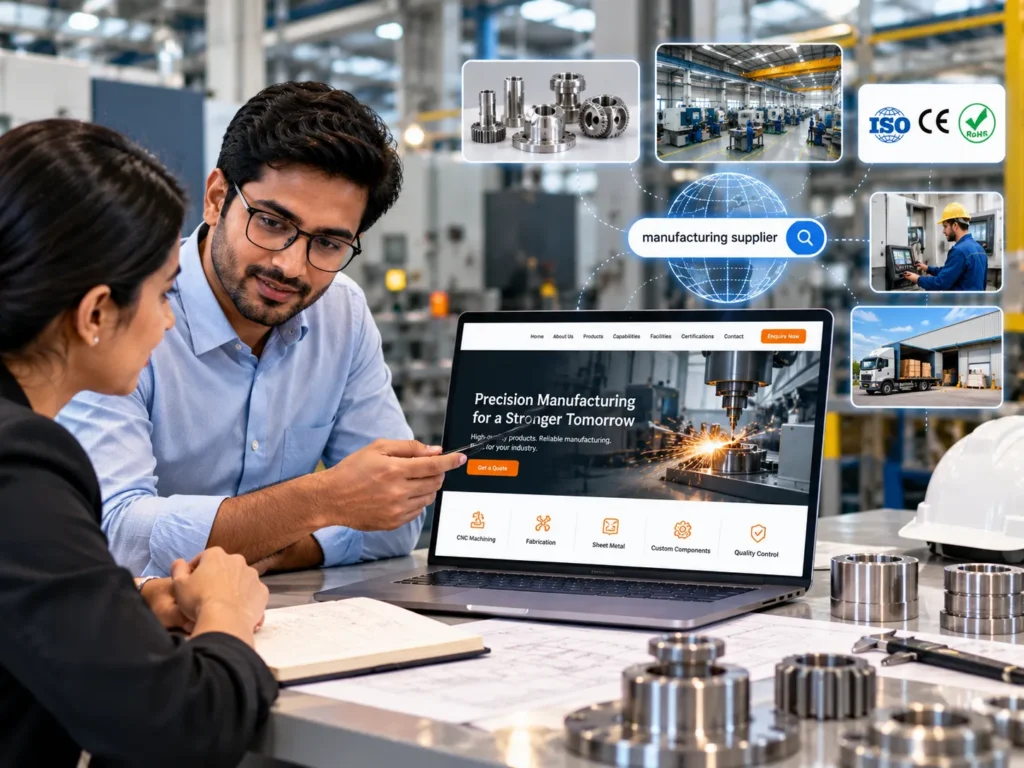
Manufacturing buyers often research suppliers online before requesting quotations, comparing product specifications, or discussing production requirements. They may look for manufacturing capabilities, material options, certifications, production facilities, quality processes, and delivery capabilities before deciding which companies to contact. If your website lacks clear product information or is difficult to navigate, potential buyers may struggle to evaluate your business. Manufacturing Website Development helps create a professional digital presence that communicates your capabilities and makes important business information accessible. A well-structured website can organize product categories, explain manufacturing processes, showcase facilities, and provide convenient enquiry options. With responsive design and SEO-friendly foundations, your website can also support long-term digital marketing, product discovery, and B2B business development.
Present your company with a website that reflects your manufacturing capabilities, industry experience, and business identity. Consistent branding, organized content, and professional visuals help buyers understand what your company produces and the markets it serves.
Create dedicated pages for your products, components, materials, and manufacturing services. Clear product descriptions, specifications, application details, and relevant images help buyers evaluate your offerings and identify products that match their requirements.
Make your business easier to discover when potential customers research manufacturers, industrial products, and specialized production services. An SEO-friendly website structure helps search engines understand your offerings and supports future organic search optimization.
Provide clear enquiry forms, quotation request options, phone numbers, and email details. When buyers can easily ask about product availability, custom manufacturing, specifications, and pricing, your website becomes a more useful starting point for business discussions.
Showcase your production facilities, machinery, quality processes, certifications, and technical capabilities using accurate information. These details help prospective buyers understand your operational strengths and assess whether your company can meet their manufacturing requirements.
Give visitors a consistent experience across smartphones, tablets, laptops, and desktop computers. Responsive layouts, readable product information, intuitive navigation, and accessible enquiry options make it easier for buyers to research your company from different devices.
Organize product categories, specifications, downloadable catalogues, technical documents, and application information into logical sections. A structured website helps visitors compare relevant offerings and locate the details they need before contacting your sales team.
Develop a website that can accommodate new product lines, manufacturing capabilities, industry applications, facility updates, and additional locations. A scalable structure makes future updates easier and supports the changing requirements of your manufacturing business.
- Services
What Manufacturing Website Development Services Do We Offer for Your Business Growth?
DigitalClouds provides Manufacturing Website Development Services tailored to your products, manufacturing capabilities, target industries, and business objectives. We combine website strategy, professional design, development, product presentation, and technical optimization to create a useful digital platform for your business. Our Manufacturing Web Development approach focuses on helping buyers understand your offerings, explore your capabilities, and contact your team through a clear and accessible website.
Custom Manufacturing Website Development
We build customized manufacturing websites around your business requirements, product range, and growth plans, creating a scalable platform that supports your operations and future expansion.
Industrial Website Design and User Experience
We design professional interfaces with clear navigation, consistent branding, and industry-relevant visuals, helping industrial buyers understand your business, explore key information, and navigate the website easily.
Product Catalogue Development
We develop structured product catalogues featuring images, specifications, dimensions, materials, and applications, helping buyers explore your offerings and identify products that match their technical requirements.
Manufacturing Capability Pages
We showcase your machinery, production processes, facility capabilities, certifications, and customization options, helping potential customers evaluate your manufacturing expertise and understand the solutions your business can provide.
B2B Enquiry and Quotation Forms
We integrate enquiry forms and request-for-quotation features that allow buyers to ask about pricing, product availability, bulk orders, and customized manufacturing requirements directly through your website.
Mobile-Friendly Website Development
We optimize your website for mobile phones, tablets, and desktops, ensuring visitors can browse product details, review manufacturing capabilities, and submit enquiries comfortably across different screen sizes.
SEO-Friendly Website Structure
We organize website pages with descriptive URLs, logical headings, internal links, and search-friendly navigation, helping search engines discover important product and service pages more effectively.
Manufacturing Content Integration
We organize industry applications, project case studies, technical resources, company information, and blog articles into relevant sections, helping visitors understand your expertise and explore your manufacturing solutions.
Website Maintenance and Technical Support
We provide ongoing technical support based on your selected package, covering software updates, backups, security checks, troubleshooting, and performance improvements to help maintain your website after launch.
- WHY DIGITALCLOUDS
Why Choose DigitalClouds for Manufacturing Website Development Services?
DigitalClouds combines website planning, UI/UX design, development, and technical optimization to build websites suited to manufacturing and industrial businesses. Our approach considers your product range, production capabilities, target industries, and buyer requirements. We focus on presenting your business accurately, organizing technical information clearly, and developing a website that can support ongoing marketing and business growth.
Manufacturing-Focused Website Strategy
We plan your website around your products, manufacturing processes, target industries, and business goals. This helps establish a structure that reflects your actual capabilities and gives potential buyers a clear understanding of what your company offers.
Clear Product and Capability Presentation
We organize product categories, technical specifications, manufacturing processes, and industry applications into relevant sections. This makes it easier for buyers to explore your offerings and identify the information they need to evaluate your company.
Professional Industrial Website Design
We create consistent layouts, clear navigation, and professional visual presentations suited to manufacturing businesses. Our Manufacturing Website Design approach prioritizes readability, product discovery, and practical usability rather than unnecessary design elements that distract visitors from essential information.
SEO-Friendly Technical Foundations
We consider page structure, metadata, internal linking, responsive design, and technical performance during development. These foundations help prepare your website for search engine discovery and make future SEO improvements easier to implement.
Flexible and Scalable Development
We plan website structures that can accommodate additional product categories, new manufacturing services, technical resources, and business expansion. The development approach is selected according to your functionality requirements, content management needs, and long-term plans.
Reliable Support and Transparent Delivery
We follow a defined process covering requirements, design, development, content integration, testing, and launch. We clarify the project scope and agreed functionality, helping you understand what will be delivered and what ongoing maintenance may be required.
- Manufacturing SEO Process
How Does Our Manufacturing Website Development Process Work?
Our Manufacturing Website Development process focuses on understanding your business, organizing your product portfolio, designing an intuitive user experience, and building a reliable website for your target buyers. We follow a structured approach covering research, planning, design, development, technical optimization, content integration, quality assurance, and launch. Each stage addresses specific requirements to help manufacturers present their products, communicate production capabilities, and make it easier for prospective customers to explore offerings and submit business enquiries.
Step 01 of 08 · Website Analysis
Manufacturing Website Audit and Competitor Analysis
Evaluate your existing website, product presentation, and competitors to identify development opportunities and establish clear project priorities.
Before beginning Manufacturing Website Development, we review your existing digital presence and assess how effectively it communicates your products, manufacturing capabilities, and business strengths. We also examine relevant competitor websites to understand their product organization, technical information, navigation, and enquiry pathways. These findings help define a practical development strategy based on your requirements, target buyers, and business objectives.
Our website audit and competitor analysis include:
- Existing Website Assessment: Review your current website's design, page structure, navigation, content quality, and functionality to identify usability issues and opportunities for improvement.
- Product Catalogue Evaluation: Examine how products are categorized, described, and displayed, including whether specifications, materials, dimensions, applications, and downloadable documents are easy to locate.
- Manufacturing Capability Review: Assess how effectively your website communicates production processes, machinery, facilities, quality procedures, certifications, and customization capabilities using accurate business information.
- Competitor Website Research: Analyze relevant manufacturing competitors to understand their website structures, product presentation, technical content, navigation, and approaches to helping buyers request information.
- Target Audience Analysis: Identify the primary website audiences, such as procurement teams, distributors, industrial buyers, engineers, and business owners, and consider the information each group may require.
- User Journey Evaluation: Review how visitors currently move between product categories, specifications, company information, and contact pages to identify unnecessary steps or confusing navigation.
- Technical Website Assessment: Check relevant technical factors, including mobile responsiveness, page speed, broken links, HTTPS configuration, indexing accessibility, and compatibility with supported browsers.
- Development Requirement Prioritization: Compile findings into a practical project checklist that identifies essential pages, functionality requirements, design improvements, technical needs, and opportunities for future expansion.
Step 02 of 08 · Website Planning
Manufacturing Website Structure and Requirement Planning
Build a clear website blueprint that organizes your products, capabilities, and business information around the needs of industrial buyers.
Website planning establishes the structure and functionality before visual design and development begin. We identify the pages required to present your company, product portfolio, manufacturing processes, and industry applications. This stage also considers how buyers will navigate the website, how your team will manage content, and how additional products or capabilities can be introduced later.
Our website planning activities include:
- Website Sitemap Development: Create a structured sitemap covering the homepage, product categories, individual products, manufacturing capabilities, company profile, industry pages, resources, and contact information.
- Product Category Mapping: Organize products into relevant categories and subcategories based on their types, materials, applications, specifications, or other meaningful characteristics.
- Page Requirement Documentation: Define the purpose, required content, layout expectations, and functionality for each important page before design and development work begins.
- Buyer Journey Mapping: Plan how visitors can discover products, review technical specifications, understand manufacturing capabilities, and proceed toward a quotation request or business enquiry.
- Feature and Functionality Planning: Identify requirements for enquiry forms, request-for-quotation features, catalogue downloads, product filters, search functionality, and other agreed website features.
- Content Requirement Planning: List the product descriptions, technical specifications, company information, facility details, certifications, photographs, and documents required for the website.
- Platform and Technology Selection: Evaluate suitable website platforms and technologies according to your content management needs, product catalogue complexity, integration requirements, and future maintenance plans.
- Scalability and Expansion Planning: Establish a flexible structure that can accommodate new products, manufacturing services, industries, facilities, and business locations without requiring unnecessary restructuring.
Step 03 of 08 · UI/UX Design
Manufacturing Website Design and User Experience
Create a professional, intuitive design that makes your products, technical information, and manufacturing capabilities easy to explore.
The design stage translates your requirements into page layouts and a consistent visual experience. We consider your brand identity, target buyers, product presentation needs, and the type of information visitors must access. Our Manufacturing Website Design & Development approach emphasizes readable content, clear navigation, organized product information, and accessible enquiry options across different devices.
Our UI/UX design activities include:
- Homepage Design: Develop a homepage layout that introduces your manufacturing business, highlights important product categories, communicates key capabilities, and directs visitors toward relevant sections.
- Product Page Layout Design: Create structured layouts for product images, specifications, dimensions, materials, applications, and supporting documents so buyers can review relevant information efficiently.
- Navigation and Menu Design: Organize menus, dropdowns, category links, and page pathways to help visitors move between product groups, manufacturing services, company information, and contact options.
- Manufacturing Capability Presentation: Design dedicated sections for production facilities, machinery, processes, quality controls, and verified certifications to communicate your company's operational strengths.
- Typography and Visual Hierarchy: Use consistent typography, spacing, headings, and content organization to make technical information readable and help visitors identify important details quickly.
- Enquiry and Call-to-Action Design: Position quotation requests, product enquiries, telephone numbers, and other contact options where visitors can find them naturally while exploring relevant website pages.
- Responsive Interface Design: Plan how product grids, specification tables, navigation menus, images, and interactive elements will adapt to different screen sizes and device orientations.
- Design Review and Approval: Present the planned layouts for review, collect feedback on content hierarchy and usability, and refine the design before proceeding with full website development.
Step 04 of 08 · Website Development
Custom Manufacturing Website Development and Functionality
Transform the approved website design into a functional digital platform that supports product discovery, company presentation, and business enquiries.
During development, we implement the website's layouts, page structure, content management features, and agreed functionality. We select an appropriate technology approach based on the project's requirements, product catalogue, content update needs, and integrations. Our focus is to deliver a manageable website that presents manufacturing information consistently and supports the practical needs of your business.
Our website development activities include:
- Frontend Website Development: Build responsive page layouts, navigation elements, product sections, and interactive components according to the approved design and project specifications.
- Content Management System Setup: Configure a suitable platform, such as WordPress where appropriate, to help authorized team members manage product descriptions, company information, images, and articles.
- Product Catalogue Development: Create organized product categories and individual product pages with structured fields for descriptions, specifications, applications, materials, images, and other required information.
- Manufacturing Service Page Development: Build dedicated pages describing your production capabilities, custom manufacturing services, engineering processes, and other services your business genuinely provides.
- Industry and Application Page Development: Develop pages explaining how your products serve relevant industries and applications, using accurate information that helps buyers understand their suitability.
- Enquiry Feature Implementation: Configure agreed features such as product enquiry forms, request-for-quotation functionality, catalogue downloads, click-to-call links, and contact notifications.
- Third-Party Integration Setup: Implement approved integrations with relevant business tools, analytics platforms, CRM systems, or other applications where technically suitable and included in the project scope.
- Content and Functionality Integration: Add approved content, images, documents, links, and interactive features while checking that the implemented website matches the agreed design and requirements.
Step 05 of 08 · SEO and Technical Optimization
SEO-Friendly Manufacturing Website Setup
Establish a technical foundation that helps search engines discover your website and makes important product information accessible to visitors.
Manufacturing websites may contain numerous product pages, categories, technical resources, and service descriptions. A clear website hierarchy and appropriate technical configuration help search engines access relevant content while supporting a smoother browsing experience. We incorporate suitable SEO foundations during development so your website is better prepared for ongoing optimization and content expansion.
Our SEO and technical optimization activities include:
- SEO-Friendly URL Structure: Create descriptive, consistent URLs for product categories, individual products, manufacturing services, and industry applications to support navigation and page identification.
- Metadata and Heading Configuration: Set up relevant title tags, meta descriptions, and logical heading structures that communicate each page's topic clearly to visitors and search engines.
- Internal Linking Structure: Connect related products, categories, manufacturing capabilities, industry pages, and resources so visitors can explore relevant information and search engines can discover connected pages.
- Indexing and Sitemap Configuration: Review XML sitemaps, robots directives, canonical settings, and indexing controls to help search engines access the appropriate versions of important website pages.
- Page Speed Optimization: Assess image sizes, caching, scripts, and other relevant performance factors to identify improvements that help product pages and technical content load more efficiently.
- Mobile Usability Optimization: Review responsive layouts, navigation, product grids, specification tables, and contact features to help visitors access manufacturing information across different devices.
- Image and Media Optimization: Optimize product images and other website media where appropriate, including file sizes, descriptive filenames, and alternative text that accurately describes meaningful visual content.
- Structured Data and Technical Validation: Review appropriate structured data and validate relevant technical elements to ensure they reflect visible website content and follow applicable search engine guidelines.
Step 06 of 08 · Content Integration
Manufacturing Product Content and Technical Information Integration
Organize product descriptions, technical specifications, and company information into a clear format that supports buyer research and product evaluation.
Accurate content helps manufacturing buyers understand your products, assess their applications, and identify relevant capabilities. We integrate approved information into the website using consistent layouts and readable formatting. This stage also considers how technical documents, product images, industry information, and supporting resources can be presented so visitors can locate relevant details without unnecessary effort.
Our content integration activities include:
- Product Description Integration: Add approved product descriptions, specifications, materials, dimensions, features, and applications in a consistent format that supports product discovery and buyer understanding.
- Technical Specification Formatting: Organize technical details into readable sections or tables, helping buyers review relevant product characteristics without searching through long, unstructured blocks of text.
- Catalogue and Document Integration: Add approved brochures, product catalogues, datasheets, and other downloadable documents with clear labels and relevant links to the appropriate product pages.
- Manufacturing Capability Content: Present verified information about machinery, facilities, production processes, quality procedures, customization options, and manufacturing capacity where such details are available.
- Company Profile and Credentials: Integrate approved company history, industry experience, certifications, quality standards, and other relevant information that accurately represents your manufacturing business.
- Industry and Application Content: Organize information about the industries served and applications supported by your products, helping visitors understand where your offerings may be relevant.
- Resource and Blog Content: Configure article templates, resource categories, and related links if the website includes technical articles, manufacturing updates, product guides, or educational resources.
- Content Accuracy and Consistency Review: Check product names, specifications, measurements, document links, terminology, and formatting for inconsistencies before launch, with technical details confirmed by your team.
Step 07 of 08 · Testing and Security
Manufacturing Website Testing, Security, and Quality Assurance
Verify that important pages, product information, enquiry features, and technical settings work correctly before the website goes live.
Quality assurance helps identify issues that could affect buyers or interfere with business enquiries. We test the website's main functions, product navigation, responsive layouts, forms, downloadable documents, and relevant technical settings. Security checks are selected according to the website's platform, hosting environment, integrations, and the type of information collected through its features.
Our testing and security activities include:
- Cross-Browser Compatibility Testing: Review important pages, layouts, and interactive features across supported browsers to identify inconsistencies that may affect the visitor experience.
- Responsive Website Testing: Check product pages, specification tables, navigation menus, images, buttons, and enquiry forms across smartphones, tablets, laptops, and desktop screens.
- Product Information Verification: Review product names, descriptions, specifications, images, category assignments, and related links to identify missing details or incorrect content before publication.
- Form and Enquiry Testing: Test form validation, required fields, submission behavior, confirmation messages, email notifications, and spam prevention where these features are configured.
- Download and Link Testing: Verify that product catalogues, datasheets, brochures, internal links, and external resources open correctly and direct visitors to the intended information.
- Performance and Error Checks: Identify relevant loading issues, broken links, display problems, and functionality errors that could make the website difficult to use.
- HTTPS and Security Review: Verify HTTPS configuration and review relevant software updates, access permissions, security settings, and form-handling practices based on the website's setup.
- Backup and Recovery Preparation: Configure or document appropriate backup and restoration arrangements according to the hosting environment, maintenance plan, and agreed project responsibilities.
Step 08 of 08 · Launch and Ongoing Support
Manufacturing Website Launch, Maintenance, and Performance Review
Publish your manufacturing website carefully and establish a practical approach to keeping it updated after launch.
Website launch involves confirming that important pages, product information, enquiry pathways, and technical settings are ready for public access. After deployment, your website may require content updates, software maintenance, security checks, and performance improvements as your product portfolio and business needs evolve. We review the agreed launch requirements and identify suitable support activities for ongoing website reliability.
Our launch and support activities include:
- Pre-Launch Website Checklist: Review important pages, product details, navigation, enquiry forms, downloads, contact information, and agreed functionality before making the website publicly accessible.
- Domain and Hosting Configuration: Assist with relevant domain, hosting, HTTPS, and deployment settings according to the project's technical requirements and agreed scope of work.
- Existing Website Migration: Where applicable, plan the transfer of existing content, product pages, images, and documents while identifying important URLs that may need redirects.
- Redirect and Indexing Checks: Review relevant redirects, sitemap accessibility, indexing settings, and canonical configurations to reduce avoidable technical issues during website launch.
- Post-Launch Functionality Review: Test important pages, product links, enquiry forms, downloads, and other key features after deployment to confirm that they operate as expected.
- Search Console and Analytics Setup: Configure or review relevant website measurement and search monitoring tools where included in the project scope, helping your team assess future website performance.
- Maintenance and Security Updates: Recommend or provide agreed software updates, backups, security checks, and technical maintenance to help keep the website functional as requirements change.
- Ongoing Content and Feature Improvements: Identify opportunities to update product information, add new categories, improve website usability, and introduce additional features as your manufacturing business grows.
What Is Website Development for Manufacturing Businesses and Why Is It Important?
Website development for manufacturing businesses involves planning, designing, and building a professional online platform that presents a company’s products, production capabilities, technical expertise, certifications, and industrial solutions. Unlike a general business website, a manufacturing website must address the detailed requirements of engineers, procurement managers, distributors, OEMs, contractors, and other B2B buyers. These visitors often compare multiple suppliers before requesting quotations, so they need accurate information about product specifications, manufacturing processes, quality standards, and business capabilities. A well-developed website helps manufacturers establish credibility, improve online visibility, communicate their expertise, and generate relevant business enquiries.
A professional manufacturing website should include the following essential elements:
- Product and Service Pages: Create dedicated pages for manufactured products, industrial components, machinery, materials, and specialized services. Each page should explain the product’s purpose, key features, available configurations, applications, and benefits to help buyers assess whether your offering meets their requirements.
- Manufacturing Capabilities: Explain your production processes, machinery, fabrication methods, assembly facilities, testing equipment, and customization capabilities. This information helps prospective buyers understand your operational strengths and determine whether your business can handle their production volumes, technical specifications, and project requirements.
- Technical Specifications: Present accurate product dimensions, material grades, tolerances, operating conditions, performance characteristics, and other relevant technical details. Well-organized specifications reduce uncertainty, help engineers evaluate product suitability, and enable procurement teams to compare your products against their purchasing criteria.
- Industry-Specific Solutions: Develop relevant sections for the industries you serve, including automotive, construction, aerospace, electronics, healthcare, energy, or heavy engineering. Explain how your products address the specific requirements of each industry instead of presenting the same generic manufacturing information to every visitor.
- Enquiry and RFQ Forms: Add structured request-for-quotation forms that allow prospective customers to describe their requirements, estimated quantities, material preferences, project timelines, and customization needs. These details help your sales team evaluate enquiries more efficiently and prepare relevant commercial responses.
- Certifications and Quality Standards: Display verified certifications, inspection procedures, quality management practices, and applicable compliance information where relevant. Buyers evaluating manufacturing suppliers often need evidence of quality and reliability, so this information should be accurate, current, and easy to locate.
- Mobile-Friendly Design: Ensure that product pages, technical tables, downloadable documents, and enquiry forms work smoothly across desktops, tablets, and smartphones. Responsive design helps engineers, procurement professionals, and distributors access essential information even when they are away from their offices.
- Search Engine Optimization: Build a logical website structure with descriptive URLs, optimized page titles, relevant headings, useful internal links, and informative product content. These technical and on-page elements help search engines understand your manufacturing expertise and improve the website’s ability to attract relevant organic visitors.
How Can Manufacturing Web Development Help Generate More B2B Leads?
Manufacturing web development can turn your website into a valuable lead-generation channel by helping industrial buyers discover your company, evaluate your products, and contact your sales team. Many B2B purchasing decisions involve extensive research because buyers must assess product suitability, supplier reliability, technical specifications, and commercial requirements. A website that answers these questions clearly can reduce friction during supplier evaluation and encourage more qualified enquiries. When supported by relevant SEO, useful content, conversion tracking, and clear calls to action, your website can contribute to a more consistent pipeline of business opportunities.
Effective lead-generation features include:
- Dedicated Product Landing Pages: Build individual pages for important products and product categories using accurate descriptions, specifications, applications, and supporting visuals. These pages help potential customers find specific industrial solutions through search engines and provide enough information to decide whether contacting your company is worthwhile.
- Request a Quote Forms: Collect useful details such as product type, required quantity, material specifications, intended application, delivery location, and expected timeline. A structured form helps your sales team understand the buyer’s requirements before responding and reduces unnecessary exchanges to gather basic project information.
- Technical Document Downloads: Offer relevant product catalogues, specification sheets, installation manuals, technical drawings, and brochures when appropriate. These resources help engineers and procurement professionals evaluate your products internally, while optional enquiry forms can support lead generation when requesting information is reasonable for the document being provided.
- Industry-Specific Landing Pages: Create dedicated pages explaining how your products support particular industries, manufacturing processes, or industrial applications. Industry-focused content helps visitors understand your experience in their sector and allows your business to target more relevant search queries without relying on a single broad product page.
- Clear Contact Information: Display your business telephone number, email address, office location, and enquiry options prominently across relevant website sections. Accessible contact details make it easier for interested buyers to speak with your team, clarify technical requirements, and discuss potential purchasing arrangements.
- Case Studies and Project Examples: Present approved examples of completed projects, product applications, manufacturing challenges, and solutions delivered to customers. Where information is available, include measurable outcomes and relevant technical details to demonstrate your capabilities without making unsupported claims about performance or customer satisfaction.
- Conversion-Focused Calls to Action: Use clear prompts such as Request a Quote, Discuss Your Requirements, Explore Our Capabilities, or Download Product Catalogue. Place each call to action near relevant information so visitors can take the next step without searching through unrelated pages or navigating complicated menus.
- Lead Tracking and Analytics: Integrate suitable analytics and conversion tracking to understand which product pages, landing pages, campaigns, and enquiry forms generate meaningful business opportunities. Reviewing this information helps your team identify useful traffic sources, improve underperforming pages, and make better-informed digital marketing decisions.
What Should You Expect From a Manufacturing Website Development Company?
A manufacturing website development company should understand how industrial businesses present complex products, explain production capabilities, and communicate with B2B buyers. Its role should extend beyond designing attractive pages to creating a functional website that supports product discovery, technical evaluation, search visibility, and enquiry generation. The development team should consider your current business structure, target industries, product catalogue, internal workflows, and future expansion plans. A clear process covering planning, design, development, testing, launch, and maintenance helps ensure that the final website serves practical business needs.
When evaluating a development company, consider these important factors:
- Understanding of Manufacturing Businesses: The development team should be comfortable working with industrial terminology, product specifications, production processes, and B2B purchasing requirements. This understanding helps the team organize technical information accurately and design a website that answers the questions your potential customers are likely to ask.
- Business and Competitor Research: Expect an initial review of your business objectives, target markets, product categories, competitors, and existing online presence. This research helps identify opportunities to differentiate your company, improve the presentation of your capabilities, and establish a website structure that reflects your actual commercial priorities.
- Information Architecture: The company should plan how products, product categories, industries, services, technical resources, and company information connect through the website. A logical hierarchy allows buyers to find relevant details quickly while helping search engines discover and understand important pages.
- Custom Design Capabilities: Your website should reflect your brand identity, manufacturing environment, product range, and technical strengths. The development partner should be able to create suitable layouts and visual elements rather than forcing complex industrial information into a generic design that does not match your business requirements.
- Technical SEO Implementation: The company should address descriptive URLs, crawlable navigation, page titles, headings, image optimization, redirects, mobile usability, and other relevant technical requirements. Establishing these fundamentals during development reduces avoidable problems and creates a stronger foundation for ongoing search engine optimization.
- Responsive Development: Ask how the team will ensure that navigation, product catalogues, technical tables, images, forms, and downloadable resources function across different devices. Responsive implementation should preserve usability and content accessibility rather than simply shrinking the desktop layout for smaller screens.
- Content and Migration Support: Clarify whether the company can help organize existing product information, prepare website copy, optimize images, and migrate approved content from your current website. A structured migration process helps preserve important URLs, reduce content errors, and maintain continuity during the transition.
- Post-Launch Assistance: Confirm the availability of technical support, security updates, backups, bug fixes, performance improvements, and routine website maintenance. Understanding the support arrangement before development begins helps your business plan ongoing costs and maintain the website after the initial project is completed.
Why Is Manufacturing Website Design and Development Different From Regular Website Development?
Manufacturing website design and development requires a stronger emphasis on technical information, product organization, supplier credibility, and B2B conversion paths. Industrial buyers may need to compare material grades, dimensions, production capabilities, quality procedures, and application requirements before contacting a supplier. The website must make these details easy to understand without overwhelming visitors with poorly organized information. Its design should support technical evaluation and commercial enquiries while presenting the manufacturer’s strengths accurately and professionally.
Important differences include:
- Technical Product Presentation: Manufacturing websites often require detailed specifications, engineering drawings, dimensions, material options, tolerances, and application information. These details should be presented in consistent formats so engineers and purchasing teams can assess product suitability without contacting your sales department for every basic question.
- Complex Product Hierarchies: Manufacturers may offer several product families, models, sizes, components, and customized configurations. A carefully planned navigation system and product taxonomy help visitors understand the relationships between products and locate the correct item without navigating through unrelated categories.
- B2B Buying Journeys: Industrial purchases may involve research, technical evaluation, sample requests, internal approvals, quotation comparisons, and supplier verification. Website design should support these stages with informative product pages, downloadable resources, relevant company information, and convenient ways to contact the appropriate team.
- Trust and Compliance Information: Depending on the industry, buyers may need to review certifications, testing procedures, quality management systems, and regulatory compliance details. Clearly presenting verified information helps potential customers assess your business while avoiding unsupported claims that could undermine credibility.
- Custom Quotation Workflows: Some manufactured products require engineering drawings, estimated quantities, material requirements, or project-specific discussions before pricing can be confirmed. Suitable forms should collect relevant information, allow necessary attachments, and direct submissions to the appropriate department without creating unnecessary barriers for potential customers.
- Industrial Photography and Visuals: Genuine facility photographs, machinery images, product close-ups, diagrams, and approved technical illustrations help explain your manufacturing capabilities. Visual content should support the information being presented and accurately represent your operations rather than relying excessively on generic stock imagery.
- Integration Requirements: Depending on the business, the website may need connections with CRM software, ERP platforms, inventory systems, dealer portals, or internal quotation workflows. These integrations should be planned around actual business processes, data availability, security requirements, and the capabilities of the systems involved.
- Scalable Website Architecture: The website should accommodate additional product categories, new industries, updated specifications, and future business expansion. A scalable structure reduces the need for major redevelopment when your product portfolio grows or your company begins serving new markets.
What Pages Should a Manufacturing Business Website Include?
A manufacturing business website should help potential customers understand what you manufacture, which industries you serve, what capabilities you offer, and how they can start a business discussion. The ideal structure depends on the company’s size, product range, technical complexity, and target markets. A specialized manufacturer may need a relatively compact website, while a company with multiple product divisions may require a deeper structure with detailed product pages and supporting resources. Every page should have a clear purpose and contribute to product discovery, credibility, or enquiry generation.
Consider including these core pages:
- Homepage: Introduce your company, primary product categories, manufacturing strengths, and target industries through concise, relevant information. Include clear links to important product sections and enquiry options so first-time visitors can understand your business and identify the most relevant next step.
- About Us Page: Explain your company’s history, expertise, business model, manufacturing experience, facilities, and organizational strengths using verified information. A useful company profile should communicate why buyers may consider your business without relying on vague promotional statements or unsupported claims about industry leadership.
- Products or Solutions Pages: Organize your offerings into logical categories and create dedicated pages for important products that require detailed specifications or application information. This structure improves navigation, supports targeted SEO, and gives buyers a reliable place to review the products relevant to their requirements.
- Manufacturing Capabilities Page: Describe your production processes, machinery, fabrication methods, assembly operations, testing facilities, and customization options. Explain how these capabilities support different project requirements and provide accurate details about capacity, tolerances, or processes wherever the information is available and approved.
- Industries Served Page: Identify the industries your company genuinely supports and explain how your products address their specific requirements. Where appropriate, link to dedicated industry pages containing relevant applications, product recommendations, technical considerations, and examples of your experience in each sector.
- Quality and Certifications Page: Present applicable certifications, inspection procedures, testing capabilities, and quality management practices with accurate descriptions. Clearly distinguish between certifications your company currently holds and standards or requirements that your products are designed to meet, avoiding any implication of accreditation that has not been verified.
- Case Studies or Projects Page: Showcase selected projects, product applications, and manufacturing solutions that demonstrate your capabilities. Include the original challenge, your contribution, relevant technical details, and verified outcomes where available, while obtaining permission before publishing confidential client information or project-specific photographs.
- Contact and Request a Quote Pages: Provide clear contact details and forms that help visitors reach the right team or explain their purchasing requirements. For quotation enquiries, collect relevant product information and optional supporting documents while keeping the process straightforward enough for prospective customers to complete.
What Features Should a Manufacturing Website Have?
A manufacturing website should provide the features buyers need to discover products, evaluate technical suitability, and communicate with your business. The right functionality depends on whether you manufacture standard components, custom-engineered products, industrial equipment, raw materials, or large-scale production solutions. A smaller manufacturer may only need a structured catalogue and enquiry forms, while a larger company may require advanced filtering, document management, multilingual content, or integrations with internal systems. Features should be selected according to genuine user needs and business priorities.
Useful features include:
- Advanced Product Catalogue: Organize products using categories, subcategories, product models, materials, applications, and relevant technical attributes. A consistent catalogue structure helps visitors navigate a broad product range, compare related options, and understand the differences between products without depending entirely on sales assistance.
- Product Search and Filters: Provide search functionality and useful filters that allow buyers to narrow product results by category, dimensions, material, model, application, or other meaningful characteristics. For large catalogues, these tools reduce browsing effort and help visitors reach relevant product information more efficiently.
- Technical Specification Tables: Present dimensions, material grades, tolerances, performance characteristics, operating conditions, and other confirmed details in organized tables. Consistent presentation makes specifications easier to compare and reduces confusion when buyers review several products or share information with engineering and procurement teams.
- RFQ and Enquiry Forms: Allow buyers to describe the product they need, specify quantities, explain project requirements, and attach relevant documents when necessary. Forms should collect enough information to help your team respond effectively without demanding unnecessary personal or commercial details at the first point of contact.
- Catalogue and Datasheet Downloads: Make approved product brochures, technical sheets, manuals, and specification documents accessible from the relevant pages. Keep downloadable files clearly labelled and updated so buyers can identify the correct document and avoid relying on outdated product information during technical or purchasing decisions.
- Facility and Machinery Gallery: Showcase genuine production facilities, machinery, inspection equipment, and relevant manufacturing processes using clear, well-organized photographs. Visual evidence can help visitors understand your operations, but images should represent your actual facilities and must not imply capabilities or equipment your business does not possess.
- Multilingual and Regional Support: Consider language options and region-specific content if you serve international buyers or customers in markets with different language requirements. Each language version should be properly reviewed, maintain consistent technical terminology, and provide relevant contact information rather than relying on unverified automated translations.
- CMS and Administrative Controls: Use a content management system that allows authorized employees to update product descriptions, images, technical details, documents, and company announcements. Appropriate permissions and clear publishing workflows help maintain accuracy while reducing the need to involve developers for every routine content change.
How Does Mobile-Friendly Manufacturing Website Development Benefit Industrial Companies?
Mobile-friendly manufacturing website development ensures that product information, technical documents, contact details, and enquiry forms remain usable on smartphones and tablets. Industrial buyers may research suppliers while travelling, engineers may consult product details at a facility, and distributors may need specifications during customer discussions. A responsive website supports these situations by adapting its layout and interactions to different screen sizes. It also helps prevent potential customers from abandoning pages because the content is difficult to read or the enquiry process is inconvenient.
A mobile-friendly website can improve the user experience in several ways:
- Responsive Page Layouts: Adapt navigation, text, images, content sections, and forms to the visitor’s screen size. A properly responsive layout preserves important information and functionality rather than forcing mobile visitors to zoom repeatedly or scroll horizontally through poorly formatted pages.
- Readable Technical Information: Display product specifications, comparison tables, dimensions, and other technical details in a mobile-friendly format. When tables contain many columns, use suitable responsive presentation or clearly accessible alternatives so users can review the information without losing important context.
- Accessible Enquiry Forms: Design forms with readable labels, appropriate input types, clear instructions, and a manageable number of fields. A simpler mobile form helps procurement professionals submit enquiries more conveniently while still collecting the essential information needed to understand their requirements.
- Tap-Friendly Contact Options: Make telephone numbers, email links, and other contact methods easy to select on touchscreen devices. Position these options where visitors can find them quickly, especially on product pages where a buyer may want to clarify specifications before requesting a formal quotation.
- Optimized Product Images: Resize and compress product photographs, machinery images, and technical visuals appropriately for different devices. This approach helps maintain image clarity while reducing unnecessary data transfer, particularly for visitors using mobile networks or accessing the website from locations with slower connectivity.
- Simplified Navigation: Organize product categories, industry pages, technical resources, and company information into a clear mobile menu. Avoid excessive nested menus and confusing labels so users can move between product sections without repeatedly opening unrelated navigation options.
- Improved Page Performance: Optimize images, scripts, fonts, caching, and other technical elements that influence loading speed. A faster mobile experience reduces avoidable waiting and makes it easier for visitors to access specifications, review product options, and complete enquiry forms.
- Consistent Brand Experience: Maintain consistent messaging, product information, visual identity, and calls to action across desktop and mobile versions. Visitors should be able to move between devices without encountering missing content, different product details, or confusing changes in the enquiry process.
How Long Does Manufacturing Website Development Take?
The time required for manufacturing website development depends on the number of pages, product categories, design complexity, content readiness, and required technical functionality. A basic corporate website with a limited product range generally requires less work than a large catalogue with advanced filters, downloadable technical documents, multilingual pages, or CRM and ERP integrations. The availability of accurate product data and timely feedback also affects delivery. A defined project scope, realistic milestones, and a clear approval process help establish a practical development schedule.
The development timeline is usually influenced by these factors:
- Project Discovery and Planning: Initial planning involves understanding your business objectives, target buyers, competitors, product range, and functional requirements. This stage establishes project priorities, identifies technical dependencies, and helps prevent unnecessary changes after design and development work has already begun.
- Sitemap and Content Structure: Organizing product categories, industry pages, manufacturing capabilities, company information, and enquiry paths requires careful consideration. A clear structure makes the website easier to navigate and establishes the page hierarchy needed for content production, development, and SEO implementation.
- UI and UX Design: Designing page layouts, product templates, navigation, mobile experiences, and enquiry journeys requires time for development of concepts and feedback. Custom designs or complex catalogue interfaces may require additional review cycles to ensure they support both brand presentation and practical buyer requirements.
- Content Preparation: Product descriptions, specifications, company information, photographs, certifications, and technical documents must be collected and approved. Delays in obtaining accurate information can slow down page creation, so assigning content responsibilities early helps keep the project moving.
- Website Development: Developers build the agreed page templates, responsive layouts, product sections, forms, and required functionality. The duration depends on the chosen platform, the level of customization, the number of unique page types, and the complexity of interactions.
- Data Migration and Integrations: Moving a large product catalogue, preserving existing URLs, or connecting CRM, ERP, inventory, and quotation systems can add substantial work. The team should evaluate data quality, available APIs, security requirements, and testing needs before committing to an integration timeline.
- Testing and Revisions: The website requires checks for navigation, forms, responsiveness, content accuracy, browser compatibility, accessibility considerations, performance, and security. Feedback from stakeholders may lead to revisions, so the project schedule should include adequate time for testing and resolving identified issues.
- Client Approvals and Launch: Final approval, domain configuration, hosting setup, redirects, analytics, backups, and launch checks all contribute to the delivery schedule. Prompt decisions and clearly assigned responsibilities help avoid unnecessary delays during the final stages of the project.
A smaller manufacturing website may take a few weeks, while a complex industrial website can require several months. The actual timeline should be established after reviewing the agreed scope, content availability, integrations, and approval process.
How Much Does Manufacturing Website Development Cost in Bangalore?
The cost of manufacturing website development in Bangalore depends on the website’s size, design requirements, product catalogue, technical functionality, and integration needs. A basic company website generally costs less than a customized industrial platform with advanced product search, technical filters, quotation workflows, multilingual support, or ERP integration. Content writing, product data preparation, SEO, hosting, and maintenance may also affect the overall budget. A detailed proposal should separate one-time development expenses from recurring costs so your business can compare options accurately.
These factors commonly affect the total project cost:
- Number of Website Pages: A website with a homepage, company profile, and a few product pages usually requires less work than a large site containing multiple product categories, industry pages, technical resources, and location-specific sections. More pages can increase content preparation, design, development, and quality-assurance requirements.
- Custom UI and UX Design: Bespoke layouts, specialized product interfaces, and carefully planned enquiry journeys generally require more design effort than standard templates. The additional investment may be worthwhile when the website needs to present complex industrial products or support distinctive business processes.
- Product Catalogue Complexity: A catalogue containing many models, variants, technical attributes, and downloadable documents requires more planning than a small collection of products. Bulk imports, advanced filtering, product relationships, and data-cleaning requirements can also affect implementation costs and project duration.
- Content Writing and SEO: Researching manufacturing terminology, preparing product descriptions, creating industry pages, and optimizing metadata can require substantial effort. Clarify whether the proposal includes technical content writing, keyword research, internal linking, migration, and SEO setup or whether these services will be charged separately.
- Advanced Website Functionality: Features such as quotation workflows, file uploads, product comparison, customer portals, multilingual content, and distributor access may require additional development. The final cost depends on the complexity of each feature, the chosen platform, and the way the functionality must interact with existing business processes.
- Third-Party Integrations: Connecting CRM software, ERP platforms, inventory systems, or external applications requires an assessment of system compatibility and data exchange requirements. Integration charges can vary significantly depending on available APIs, customization, security controls, and the need for testing with existing business operations.
- Hosting and Security: Reliable hosting, SSL configuration, backups, security tools, email services, and monitoring may involve recurring expenses beyond the initial development price. Ask which services are included, how long they are covered, and what renewal or maintenance charges apply after the included period ends.
- Post-Launch Support: Routine updates, technical troubleshooting, product uploads, performance improvements, and future feature enhancements should be included in your budget planning. A clear maintenance agreement helps define response times, included work, exclusions, and the cost of additional development after the website launches.
Request a detailed quotation that separates design, development, content, SEO, hosting, integrations, and maintenance. Comparing these deliverables gives you a clearer picture of the total investment than evaluating the headline price alone.
How Can Manufacturing Website Development Support SEO and Online Visibility?
Manufacturing website development establishes the technical and structural foundation for search engine optimization. A well-organized website helps search engines discover product pages, understand their purpose, and connect them with relevant searches from engineers, procurement teams, distributors, and industrial buyers. It also creates opportunities to target product-specific, application-based, and industry-related keywords through useful content. However, website development alone does not guarantee rankings; sustainable organic visibility also depends on content quality, competition, authority, user needs, and ongoing SEO work.
SEO-friendly development should include the following elements:
- Logical URL Structure: Use descriptive URLs that reflect the website’s product hierarchy and make page topics understandable to visitors and search engines. Consistent URL patterns also make future catalogue expansion easier and reduce confusion when products are reorganized or additional categories are introduced.
- Dedicated Product Pages: Create detailed pages for important products instead of placing every item on one broad catalogue page. Each page should provide unique, useful information about product features, applications, specifications, and related options to serve both search intent and buyer evaluation.
- Search-Friendly Navigation: Connect product pages with relevant categories, industry sections, manufacturing capabilities, and technical resources through logical internal links. This structure helps visitors discover related information and allows search engines to identify relationships between important pages.
- Optimized Page Titles and Headings: Write descriptive titles, headings, and meta descriptions that accurately reflect each page’s content and incorporate relevant manufacturing keywords naturally. Avoid repetitive keyword stuffing and ensure that different pages target distinct search intents rather than competing unnecessarily for the same queries.
- Fast Page Loading: Optimize product photographs, code, scripts, caching, and other performance-related elements to improve the browsing experience. Large industrial images and complex catalogue interfaces should be implemented carefully so visitors can access essential information without unnecessary delays.
- Mobile Responsiveness: Ensure that product descriptions, technical tables, navigation, downloadable resources, and enquiry forms remain accessible on different devices. A mobile-friendly implementation supports users researching suppliers away from their desks and helps maintain consistent access to important content.
- Structured Data Where Appropriate: Implement relevant structured data only when the page content supports it and the markup complies with applicable search engine guidelines. Accurate structured data can help search engines interpret eligible content, but it does not guarantee enhanced search results or improved rankings.
- Analytics and Search Monitoring: Configure tools such as Google Search Console and Google Analytics to monitor impressions, clicks, landing pages, engagement, and enquiry conversions. Reviewing these measurements helps identify search opportunities, detect technical issues, and prioritize improvements based on actual website performance.
A successful manufacturing SEO strategy combines technically sound development with useful product content, keyword research, internal linking, and ongoing performance analysis.
Can a Small or New Manufacturing Business Benefit From a Professional Website?
Yes. A small or newly established manufacturing business can use a professional website to present its capabilities, reach prospective buyers, and build credibility beyond its existing business network. A website provides a central place to showcase products, explain technical strengths, and share contact information with distributors, OEMs, contractors, and procurement teams. It can also support future digital marketing activities as the company expands. The website should accurately represent your current capabilities and prioritize the products and services most important to your business.
A practical website can help smaller manufacturers in these ways:
- Establish Business Credibility: Present a professional company profile, genuine facility photographs, accurate product information, and verified credentials in one accessible location. This gives prospective buyers a clearer understanding of your business before they contact your sales team or request a quotation.
- Showcase Core Products: Focus on the products, components, materials, or manufacturing services that represent your strongest capabilities. Detailed pages help buyers understand what you offer and make it easier for your business to attract enquiries related to its actual areas of expertise.
- Reach New Buyers: Create useful product and application pages that address the questions potential customers search for online. With appropriate SEO and digital promotion, these pages can help your company reach buyers who may not discover the business through existing referrals or local networking alone.
- Support Distributor Relationships: Provide distributors and channel partners with consistent product descriptions, technical documents, company details, and enquiry contacts. A reliable information source can make it easier for partners to understand your offerings and communicate accurate product information to their own customers.
- Generate Direct Enquiries: Add clear contact options and structured request-for-quotation forms to relevant product pages. These features allow prospective buyers to share their requirements conveniently and help your team identify opportunities without depending entirely on telephone outreach or third-party marketplaces.
- Communicate Specialization: Explain your expertise in specific materials, production techniques, product categories, or industrial applications. A clear specialization statement helps buyers determine whether your business is suitable for their needs and differentiates your offering from manufacturers with broader but less clearly defined portfolios.
- Compete Beyond Local Markets: Make company information, product details, and contact options accessible to potential customers outside your immediate location. A professional website can support wider market discovery, although reaching new regions still depends on relevant products, logistics, pricing, competition, and effective marketing.
- Expand Gradually: Start with essential pages and add advanced catalogue functionality, technical resources, multilingual content, or integrations as the business grows. This phased approach helps manage initial investment while allowing the website to evolve with changing products, customer requirements, and internal processes.
A small manufacturer does not necessarily need a complex website at launch. A well-planned, accurate, and easy-to-use website can provide a strong starting point for future growth.
Should Manufacturing Businesses Choose Custom Website Development or a Template-Based Website?
The choice between custom and template-based manufacturing website development depends on your budget, product range, business processes, branding requirements, and long-term plans. A template-based website can be appropriate for a company that needs a straightforward online presence with standard pages and basic enquiry forms. Custom development may be more suitable when the business needs specialized product interfaces, complex filtering, unique quotation workflows, or integrations with internal systems. Both approaches can work well when they are selected according to genuine requirements rather than assumptions about which option is automatically superior.
Compare these considerations before making a decision:
- Initial Development Budget: Template-based development can reduce initial design and implementation expenses because it starts with an existing structure. Custom development generally requires more planning and engineering, so evaluate whether its additional capabilities provide practical value for your current business needs.
- Design Flexibility: Custom websites provide greater control over layouts, navigation, product presentation, and conversion journeys. Templates offer predefined structures that can often be adapted, but extensive modifications may become difficult or expensive if the design must support unusual technical requirements.
- Product Catalogue Requirements: A standard template may work well for a small catalogue with limited product attributes and simple enquiry options. Manufacturers with thousands of products, complex variants, technical filters, or relationships between components should evaluate whether the chosen platform can support those requirements efficiently.
- Unique Business Workflows: Custom development can support specialized quotation processes, document submissions, product configuration, approval steps, or customer access requirements. If your existing workflow is straightforward, a template with suitable plugins may be sufficient without introducing unnecessary technical complexity.
- Integration Needs: Both approaches can support integrations with CRM, ERP, inventory, or marketing systems, but compatibility depends on the selected platform and available interfaces. Review the integration requirements early so you understand the development effort, licensing expenses, and potential maintenance responsibilities.
- Brand Differentiation: A custom design can communicate specialized manufacturing capabilities, technical expertise, and brand positioning more precisely. A template can still look professional, but its structure and visual patterns may require thoughtful customization to avoid a generic presentation that does not reflect your company’s strengths.
- Maintenance and Updates: Templates and established platforms may simplify routine updates, but their plugins and design components still require ongoing maintenance. Custom solutions need suitable documentation, testing, and technical support, particularly when specialized features must continue working after platform or software updates.
- Future Scalability: Consider whether the website can accommodate new product lines, additional markets, larger catalogues, and new business integrations. The best approach is one that supports realistic growth without creating unnecessary expense or making ordinary content updates difficult for your team.
Choose the solution that meets your current needs and allows practical future expansion. A well-configured template can be effective, while custom development becomes valuable when specific business requirements justify the additional investment.
What Security Features Should a Manufacturing Business Website Have?
A manufacturing website may collect commercial enquiries, customer contact details, technical documents, supplier information, and other business-related data. Appropriate security measures help protect this information, maintain website availability, and reduce the risk of unauthorized access. Security requirements depend on the website’s functionality, the sensitivity of the data it handles, and any connected business systems. Manufacturers should treat security as an ongoing responsibility that includes technical safeguards, routine maintenance, access controls, backups, and appropriate data-handling practices.
Important security measures include:
- HTTPS and SSL/TLS: Configure HTTPS with a valid SSL/TLS certificate to protect data transmitted between visitors’ browsers and the website. Check that pages, forms, images, and other resources load securely, and address mixed-content issues that may cause browser warnings or reduce visitor confidence.
- Secure Administrative Access: Protect administrator accounts with strong, unique passwords and multi-factor authentication where supported. Limit access to trusted personnel, remove unnecessary accounts, and review permissions regularly to reduce the risk of unauthorized changes to product information, website settings, or business data.
- Role-Based User Permissions: Assign website users only the permissions needed for their responsibilities, such as editing product content, publishing approved updates, or managing technical settings. Separating these roles reduces accidental changes and limits the potential impact if an individual account is compromised.
- Regular Software Updates: Keep the content management system, themes, plugins, frameworks, and server software updated according to appropriate maintenance procedures. Review updates for compatibility, test important functionality when necessary, and remove unused components that may create avoidable security or maintenance risks.
- Reliable Backups: Maintain regular backups of website files, databases, and relevant configuration information, with retention periods suited to your business requirements. Store backups securely and test restoration procedures periodically so the website can be recovered more reliably after data loss, technical failure, or a security incident.
- Form and File Upload Protection: Validate submitted information, restrict permitted file types and sizes, and use suitable spam protection for enquiry forms. If buyers can upload drawings or technical documents, implement appropriate access controls and file-handling safeguards to reduce the risk of malicious uploads or accidental exposure.
- Monitoring and Malware Scanning: Use appropriate security monitoring, malware scanning, and server logs to help identify suspicious activity and potential vulnerabilities. Establish a process for reviewing alerts and investigating incidents so issues can be addressed promptly rather than remaining unnoticed for extended periods.
- Privacy and Data Handling: Publish an appropriate privacy policy, collect only the information necessary for your business purpose, and restrict access to enquiry records. Establish suitable retention and deletion practices and handle personal information according to applicable legal requirements and your company’s contractual obligations.
Security is not a one-time development task. Manufacturers should also establish maintenance schedules, review user access, protect connected systems, and maintain a clear procedure for responding to security incidents.
Can a Manufacturing Website Support Multiple Products, Industries, and Locations?
Yes. A manufacturing website can support a large product portfolio, multiple industry segments, and several business locations when its structure is planned carefully. The website should help buyers identify relevant products and understand which facilities or departments can support their requirements. This becomes especially important for manufacturers serving different industries, operating multiple production facilities, or selling products with numerous models and specifications. A scalable architecture makes it easier to expand the website without creating confusing navigation or unnecessary duplication.
A scalable website can include these capabilities:
- Hierarchical Product Categories: Organize products into logical categories, subcategories, models, and variants based on how customers understand your range. A consistent hierarchy allows visitors to navigate large catalogues more easily and gives your team a clear framework for adding products in the future.
- Individual Product Pages: Provide dedicated pages for products that need distinct descriptions, technical specifications, applications, or downloadable documentation. These pages give buyers a focused resource for evaluation and create opportunities to target relevant product-specific search queries with useful, non-duplicated information.
- Industry-Specific Sections: Explain how your products support different industries through relevant applications, technical requirements, and product recommendations. Each industry section should contain meaningful information for that audience rather than repeating the same generic claims across several pages.
- Location Pages: Create separate pages for manufacturing facilities, offices, or service locations when each location has distinct information that customers need. Include accurate addresses, available services, relevant contact details, and genuine facility information instead of producing near-identical pages solely to target geographic keywords.
- Location-Based Contact Routing: Direct enquiries to the correct sales office, production facility, distributor, or regional representative when your business operates across multiple locations. This can help teams respond more efficiently and reduce the risk of enquiries being sent to departments that cannot handle the request.
- Product Filters and Search: Allow buyers to narrow results using useful attributes such as material, dimensions, application, product family, or model. Search and filtering become especially valuable when the catalogue contains many items that would otherwise require visitors to browse several category pages manually.
- Centralized Content Management: Use a consistent content management process so authorized employees can update product descriptions, specifications, images, and documents across the website. Clear ownership and approval procedures help maintain accuracy when multiple departments contribute information or when products are revised.
- Scalable Technical Architecture: Plan the website so additional products, facilities, languages, and integrations can be introduced without rebuilding its entire structure. Scalability should be balanced with practical requirements, ensuring that future expansion remains manageable rather than introducing complex features that the business does not currently need.
Each product, industry, and location page should offer useful, distinct information. A clear structure supports visitors and search engines more effectively than creating numerous pages with substantially duplicated content.
How Do You Choose the Right Manufacturing Website Design and Development Company in Bangalore?
Choosing the right manufacturing website design and development company in Bangalore requires evaluating its technical capabilities, understanding of industrial businesses, communication practices, and ability to deliver a website that supports your commercial goals. A manufacturing website may need to handle complex product information, detailed technical documents, multiple product categories, and specialized enquiry processes. The development partner should understand these requirements before recommending a platform, design, or budget. A structured evaluation helps you compare providers on the quality of their approach rather than price alone.
Use these criteria to assess potential providers:
- Relevant Portfolio: Review previous corporate, industrial, B2B, or catalogue-based websites to assess design quality, usability, and technical implementation. Examine how the examples organize product information and support enquiries rather than evaluating visual appearance alone, since manufacturing websites must serve practical information and purchasing needs.
- Manufacturing Industry Understanding: Ask whether the team has experience organizing technical product information, manufacturing capabilities, specifications, and industrial applications. A provider that understands these requirements can ask better discovery questions and help translate complex business information into a website structure that buyers can understand.
- Design and Development Expertise: Evaluate the team’s ability to create responsive layouts, clear navigation, accessible content, and reliable functionality. Ask how it will address your specific catalogue, product pages, forms, and technical requirements instead of relying on broad promises about modern design or advanced development.
- SEO-Friendly Architecture: Discuss how the team will handle URL structures, page hierarchy, metadata, internal linking, redirects, indexing, and performance. These considerations should be incorporated into planning and development so the website launches with a sound technical foundation for ongoing SEO activities.
- Content and Product Data Support: Clarify whether the company can help organize product specifications, prepare page content, optimize images, and migrate information from an existing website. Accurate product data is particularly important for manufacturers, so establish who is responsible for collecting, writing, checking, and approving technical information.
- Transparent Pricing and Scope: Request a written proposal that defines the number of pages, included features, content responsibilities, revision limits, timeline, and exclusions. The proposal should also identify recurring hosting, software licensing, maintenance, and support charges so your business can calculate the broader cost of ownership.
- Testing and Quality Assurance: Confirm that the website will be tested across relevant browsers and devices, including product navigation, forms, downloadable documents, performance, and security. Ask how reported issues will be resolved and whether the project includes a final review before the website is made publicly accessible.
- Maintenance and Ownership: Confirm who owns the domain, hosting account, website files, source code, content, and paid licenses. Understand the maintenance arrangements and access permissions so your business retains appropriate control of its website and can arrange future updates or changes when required.
Before making a decision, compare proposals based on business understanding, deliverables, technical quality, and support. A suitable development partner should explain how its recommendations address your manufacturing requirements and future plans.
How Can You Get Started With Manufacturing Website Development Services at DigitalClouds?
Getting started with manufacturing website development services at DigitalClouds involves identifying your business objectives, target buyers, product categories, required features, and long-term website goals. Whether you need a new corporate website, a detailed industrial product catalogue, or a redesign of an existing website, the project should reflect how customers research your business and evaluate your products. A clear discovery process helps establish the website structure, design direction, technical requirements, content responsibilities, and project scope before development begins.
The process can be organized into these steps:
- Define Your Business Goals: Identify whether the website should prioritize brand credibility, product discovery, quotation requests, distributor enquiries, or entry into new markets. Clear goals help determine which pages and features are essential and provide a practical basis for evaluating the website’s performance after launch.
- Identify Your Target Audience: Define the buyers you want to reach, such as procurement managers, engineers, OEMs, contractors, distributors, or industrial businesses. Understanding their responsibilities and purchasing concerns helps shape the product information, technical resources, and enquiry options the website should provide.
- Prepare Product Information: Collect approved product descriptions, technical specifications, product images, catalogues, certifications, and other supporting documents. Organizing this information before development helps improve content accuracy, reduces delays, and gives the development team a clearer understanding of the product catalogue.
- Plan the Website Structure: Identify the required product categories, individual product pages, industry sections, manufacturing capabilities, company pages, and enquiry journeys. A well-planned sitemap helps keep navigation manageable, supports relevant SEO opportunities, and creates a structure that can accommodate future products without unnecessary duplication.
- Select Required Features: Determine whether your business needs product search, advanced filters, downloadable catalogues, RFQ forms, document uploads, multilingual pages, or integrations with existing systems. Prioritizing features according to actual business requirements helps control costs and avoids introducing functionality that adds complexity without delivering clear value.
- Establish SEO Requirements: Map relevant manufacturing keywords to appropriate pages and plan the technical structure, metadata, headings, internal links, and content requirements. This approach helps align website development with organic search goals while ensuring each important page provides distinct information that supports buyer intent.
- Confirm Scope and Timeline: Review the proposed design, functionality, deliverables, content responsibilities, milestones, revision process, and budget before development begins. Documenting these decisions helps both parties understand their responsibilities and reduces the likelihood of unexpected costs or disagreements during the project.
- Plan for Launch and Maintenance: Establish testing procedures, analytics configuration, backups, security updates, content management responsibilities, and ongoing optimization requirements. A launch plan that includes post-launch support helps ensure the website remains secure, accurate, and useful as your manufacturing business and product range evolve.
DigitalClouds can be considered for developing a manufacturing website aligned with your business requirements, product range, and digital marketing objectives. Share your current website, product categories, target industries, preferred features, and project goals to discuss a suitable website structure and development scope.
- LET'S GROW YOUR BUSINESS
Ready to Grow with Manufacturing Website Development Services in Bangalore?
Ready to establish a professional online presence for your manufacturing business? DigitalClouds provides Manufacturing Website Development Services to help manufacturers showcase their products, explain their production capabilities, and make business enquiries easier. We combine strategic planning, professional design, responsive development, and SEO-friendly foundations to build a website aligned with your company’s goals.
More Industry Solutions
Explore Other Website Development Services in Bangalore
DigitalClouds creates responsive, SEO-friendly websites for businesses in Bangalore. Explore tailored web solutions for clinics, real estate, ecommerce, education and more, with clear service information and simple enquiry paths.
Dental Clinic Website Development
Treatment pages, dentist profiles and appointment enquiries for dental practices.
Dental Clinic Website ServicesHealthcare Website Development
Clear websites for hospitals and medical centres, with departments, doctors and patient enquiries.
Healthcare Website ServicesBeauty & Wellness Website Development
Elegant salon and spa websites featuring service menus, galleries and appointment options.
Beauty & Wellness Website ServicesReal Estate Website Development
Project listings, property galleries and enquiry paths for developers and agents.
Real Estate Website ServicesCosmetic Clinic Website Development
Treatment pages, practitioner profiles and consultation enquiries for aesthetic clinics.
Cosmetic Clinic Website ServicesEducational Website Development
Course details, admissions information and enquiry options for institutes and schools.
Educational Website ServicesHotel Website Development
Room showcases, amenities and booking enquiries for hotels and hospitality brands.
Hotel Website ServicesLaw Firm Website Development
Practice areas, lawyer profiles and consultation enquiries presented with clarity.
Law Firm Website ServicesAstrology Website Development
Professional profiles, consultation offerings and booking enquiries for astrology practices.
Astrology Website ServicesEvent Management Website Development
Event portfolios, planning services and enquiry forms for event businesses.
Event Management Website ServicesEcommerce Website Development
Product discovery, secure checkout and mobile-friendly storefronts for growing brands.
Ecommerce Website ServicesBusiness Website Development
Professional company websites with clear service pages, strong navigation and lead enquiries.
Business Website ServicesHave a Website Project in Mind?
Explore the industries we serve or discuss your business website with our Bangalore team.
- Our Services
We Offer a Range of Other Premium Digital Solutions
- FAQs
Frequently Asked Questions About Manufacturing Website Development Services
What Should a Manufacturing Company Website Include?
A manufacturing company website should include a clear homepage, product categories, individual product pages, manufacturing capabilities, company information, and contact details. Depending on the business, it may also feature technical specifications, downloadable catalogues, certifications, facility information, industry applications, and quotation request forms. The website should help buyers understand what the company manufactures and how to enquire about relevant products or services.
How Much Does Manufacturing Website Development Cost in Bangalore?
The cost of Manufacturing Website Development in Bangalore depends on the number of pages, product catalogue size, design complexity, content requirements, and required functionality. A basic company website will generally have a different scope from a large industrial website with extensive product categories, filters, technical downloads, or integrations. Domain, hosting, maintenance, and ongoing SEO may be separate costs. A defined project scope helps establish a suitable estimate.
Why Is Manufacturing Website Design Important for B2B Businesses?
Manufacturing Website Design helps businesses present products, technical information, production capabilities, and company credentials in a structured way. B2B buyers often need to evaluate specifications, applications, and supplier capabilities before starting a business discussion. A professional website makes this information easier to access and provides clear ways to contact your team. Design alone does not guarantee enquiries, but it supports product discovery and a more useful buyer experience.
What Is Included in Manufacturing Web Development?
Manufacturing Web Development can include website planning, UI/UX design, frontend development, content management setup, product catalogue creation, capability pages, enquiry forms, and responsive layouts. Depending on project requirements, it may also include technical SEO foundations, document downloads, product filters, and third-party integrations. The exact scope should reflect the company’s products, internal workflows, target buyers, and plans for maintaining the website after launch.
Should Manufacturers Create Separate Pages for Each Product?
Separate product pages are useful when products have distinct specifications, materials, applications, dimensions, or purchasing requirements. Individual pages allow buyers to find relevant details without sorting through unrelated products. They also provide a structured foundation for product-related SEO. For products with only minor variations, a parent page with clear options or specifications may be more practical than creating many repetitive pages.
Is WordPress Suitable for Manufacturing Website Development?
WordPress can be suitable for many manufacturing websites that need editable company pages, product catalogues, technical resources, and blog content. It allows authorized users to update content without rebuilding the entire website. However, the best platform depends on catalogue complexity, filtering requirements, integrations, expected traffic, and internal workflows. Appropriate security measures, regular updates, backups, and performance optimization are important regardless of the platform.
Can a Manufacturing Website Include Product Catalogues and Technical Downloads?
Yes, a manufacturing website can include online product catalogues, brochures, datasheets, specification documents, and other approved technical resources. These materials can be organized by product category or application so buyers can locate relevant information. Downloadable files should be clearly labelled, accessible, and kept up to date. If certain documents contain restricted or confidential information, access should be managed appropriately.
How Can a Manufacturing Website Generate More Business Enquiries?
A manufacturing website can support enquiries by presenting relevant products clearly, explaining manufacturing capabilities, and providing accessible contact options. Product-specific enquiry forms, request-for-quotation functionality, technical information, and clear phone and email details can help buyers start a discussion. Enquiry quality and volume depend on factors such as product demand, website visibility, pricing, competition, and how effectively the business responds to prospective customers.
Can Manufacturing Website Development Support SEO?
Yes, Manufacturing Website Development can establish a technical and structural foundation for SEO. Descriptive URLs, logical headings, relevant metadata, internal links, mobile responsiveness, and accessible product pages help search engines discover and interpret website content. A structured product catalogue also supports future content optimization. Search performance depends on several factors, including content quality, competition, technical health, and ongoing SEO work.
What Should We Consider When Choosing a Manufacturing Website Development Company?
Choose a development company that understands your website requirements and can explain its approach to product catalogues, technical information, responsive design, SEO foundations, security, and ongoing maintenance. Review relevant project experience, development processes, deliverables, timelines, and support arrangements. Confirm who will manage website updates, hosting, backups, and future enhancements. The final website should accurately represent your manufacturing capabilities and make it easy for potential buyers to explore your offerings.
Still have questions? Contact us →