
Build a Fast, Responsive Online Presence with a Static Website Development Company in Bangalore
Looking for reliable Static Website Development Services in Bangalore to establish your business online? DigitalClouds helps businesses, startups, professionals and organisations build structured, responsive and easy-to-navigate static websites that communicate their offerings clearly. We develop websites with carefully organised content, consistent design elements, mobile-friendly layouts and efficient page structures to support your digital presence.vOur Static Website Development Services in Bangalore focus on creating websites that load efficiently, provide a smooth browsing experience and present important business information in an accessible format. From understanding your requirements and planning website layouts to developing pages, testing functionality and publishing your website, we follow a structured process to deliver a website aligned with your business goals.
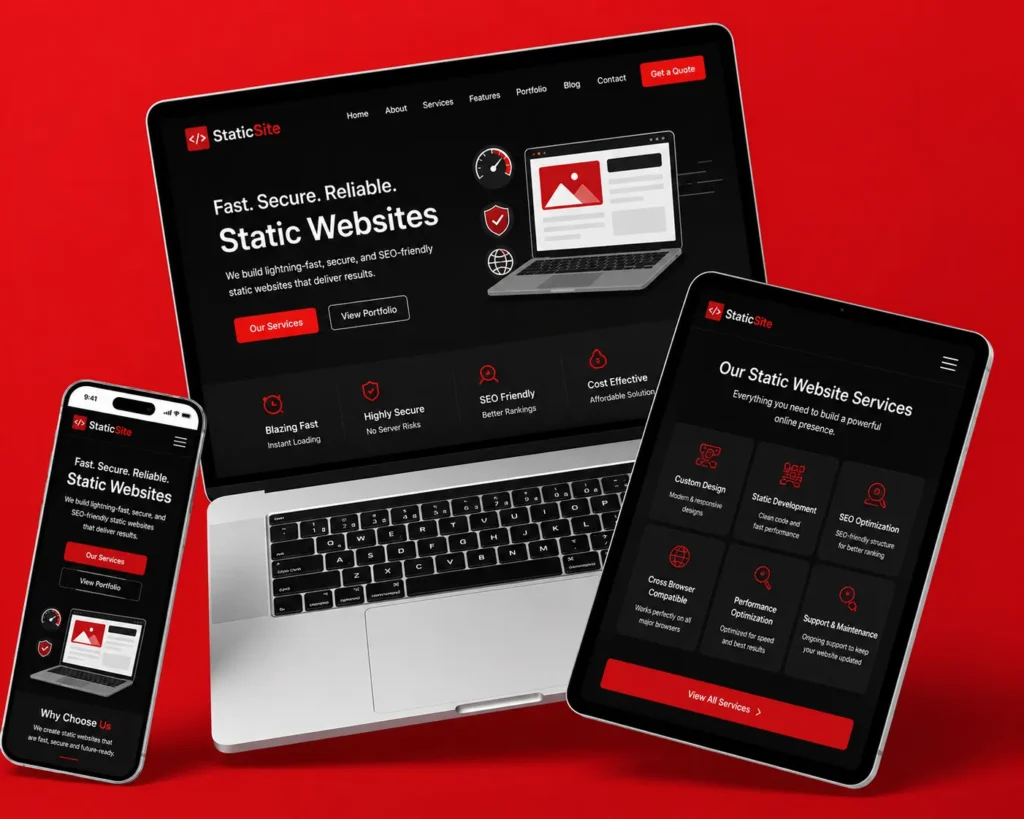
- Why It's Matters
Why Is Static Website Development Important for Your Business?
A business website often serves as the first point of reference for people looking for information about your company, products or services. A static website provides a straightforward way to present this information through fixed web pages that display predefined content to visitors. It can be a suitable option for businesses that need a professional online presence without requiring frequent database-driven content updates or complex interactive functionality. With an appropriate design, development approach and hosting setup, a static website can offer efficient loading, predictable page structures and a straightforward maintenance process. It also gives businesses a practical foundation for presenting their brand, communicating essential information and helping visitors understand how to contact them.
Create a dedicated website that introduces your business, explains your services and provides essential company information. A professionally developed static website helps visitors understand what your business offers and gives them a consistent place to explore your brand online.
Static websites serve predefined page content without requiring database queries for every page request. When developed and hosted appropriately, this architecture can support efficient page delivery and provide visitors with a smoother browsing experience.
Organise your company profile, service descriptions, contact details and other important information into dedicated pages. A clear website structure makes it easier for visitors to find the information they need without navigating through unnecessary sections.
Maintain consistent layouts, typography, colours, navigation and visual elements across website pages. A structured design helps visitors move between sections comfortably and creates a more familiar browsing experience across desktop, tablet and mobile devices.
A responsive static website adjusts its layout to different screen sizes and devices. This allows visitors to explore your business information, view services and access contact details comfortably, whether they use a desktop computer, tablet or smartphone.
Static websites generally have fewer server-side dependencies than database-driven websites. For websites with content that changes occasionally, this can make routine maintenance and updates more straightforward, depending on the development and hosting setup.
A well-structured static website can support search engine optimisation through descriptive page titles, organised headings, meaningful URLs, relevant content and crawlable HTML. These elements help search engines understand the purpose and subject of individual pages.
Businesses that require a limited number of informational pages may not need a complex content management system or custom backend. A static website can provide a practical development option when its functionality and future update requirements are clearly defined.
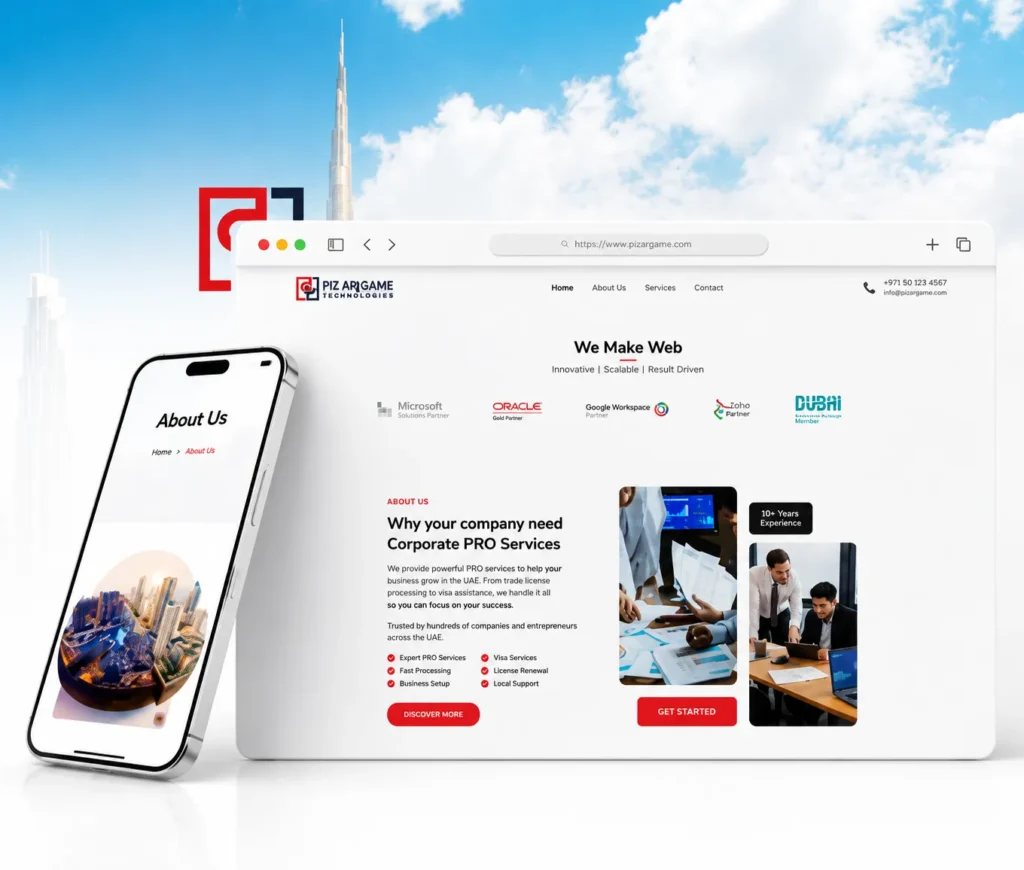
- Services
What Static Website Development Services Do We Offer for Your Business Growth?
DigitalClouds provides Static Website Development Services in Bangalore for businesses looking for a professional and straightforward website solution. We focus on understanding your website requirements, planning the page structure, developing responsive layouts and presenting your business information effectively. Our development approach considers website design, page performance, search engine readiness and the functionality required for your visitors.
Custom Static Website Development
We develop custom static websites based on your business requirements, brand identity and content structure. Each page is organised to communicate the right information and provide a consistent browsing experience. Our development approach uses suitable front-end technologies to create websites that are responsive, accessible and aligned with your business objectives.
Static Business Website Development
We create static business websites for companies that want to introduce their organisation, services, capabilities and contact information online. The website structure can include a homepage, about page, service pages, portfolio, testimonials and contact page. This provides businesses with a dedicated platform to present their offerings professionally.
Responsive Static Website Development
We develop responsive static websites that adapt to different screen sizes and devices. Our work includes flexible layouts, suitable image dimensions, readable typography and mobile-friendly navigation. This helps visitors access your website content comfortably across smartphones, tablets, laptops and desktop computers.
HTML and CSS Website Development
We use HTML and CSS to build structured website pages with consistent layouts and visual styling. HTML establishes the page content and structure, while CSS controls elements such as typography, colours, spacing and responsive presentation. This provides a foundation for developing lightweight and organised static websites.
Static Landing Page Development
We develop dedicated static landing pages for businesses promoting specific services, products, campaigns or announcements. Each landing page is structured around a clear message, relevant content, supporting visuals and appropriate calls to action. This helps visitors understand the offering and identify the next step.
Multi-Page Static Website Development
For businesses with several services or information categories, we develop multi-page static websites with a clear navigation structure. Each page receives relevant content, headings and internal links to help visitors explore the website. This approach also allows individual pages to target specific topics and search queries.
Static Website Redesign and Revamp
We redesign existing static websites to improve their visual presentation, content organisation, mobile responsiveness and overall usability. Our team reviews the current website structure, identifies areas that need improvement and implements an updated design aligned with your current brand identity and business requirements.
Static Website Maintenance and Updates
We provide support for static website updates, including text changes, image replacement, layout adjustments, link corrections and other agreed improvements. The update process depends on how the website has been developed and hosted. We help keep the website information accurate and its presentation consistent.
- WHY DIGITALCLOUDS
What Makes DigitalClouds the Best Static Website Development Company in Bangalore?
DigitalClouds approaches website development with a focus on business requirements, clear communication, responsive design and organised development practices. We consider your website goals, content requirements, brand identity and future update needs before recommending a suitable development approach. Our objective is to build a website that presents your business professionally and provides visitors with a smooth browsing experience.
Design Based on Business Requirements
We understand your business, services, audience and website objectives before planning the development work. This helps us identify the right page structure, content sections and functionality required for your website instead of using an unsuitable standard layout.
Responsive and User-Friendly Design
We develop layouts that adapt to different screen sizes and provide accessible navigation across devices. Our approach considers readable content, consistent spacing, suitable image presentation and clear page sections to help visitors explore your website comfortably.
Structured HTML and CSS Development
We use appropriate front-end technologies to create organised website structures and consistent visual layouts. Our development approach considers clean page organisation, reusable styling where suitable and maintainable code to support the website's intended functionality.
Performance-Focused Development
We consider image optimisation, page structure, resource loading and other front-end factors that influence website performance. Although actual loading speed also depends on hosting, network conditions and third-party resources, we follow suitable development practices to support efficient page delivery.
SEO-Friendly Website Structure
We consider important on-page SEO elements during website development, including page titles, meta descriptions, heading hierarchy, descriptive URLs and internal linking. This provides a structured foundation for search engines to discover and understand your website content.
Clear Development Support
We maintain communication throughout the website development process, from initial requirement discussions to testing and launch. We review agreed deliverables, share progress and coordinate required content or feedback to help keep the project aligned with your expectations.
- Our Process
How Does Our Static Website Development Process Work?
Our Static Website Development process follows eight stages, from understanding your business requirements and planning the website structure to front-end development, testing and deployment. We begin by assessing your objectives, audience, content, design preferences and required functionality. Each stage establishes a clear foundation for building a responsive, organised and performance-conscious website that supports your business communication needs.
Step 01 of 08 · Business and Requirement Analysis
Static Website Requirement Assessment and Project Analysis
Before starting development, we understand your business, website objectives and the information you want to communicate online. We assess the number of pages, intended audience, design expectations and required functionality. This initial analysis helps define the project scope and identify the development approach suitable for your website.
Our business and requirement analysis activities include:
- Business Understanding: Review your company profile, products, services, target audience and business objectives to understand the information the website needs to communicate and how visitors should interact with it.
- Website Goal Identification: Establish whether your website is intended to introduce your business, present services, showcase projects, share information or encourage visitors to contact your organisation.
- Target Audience Assessment: Understand the people expected to visit your website, including their information requirements, browsing preferences and the type of content they need before considering your business.
- Competitor Website Research: Review relevant competitor websites to understand their page structures, content presentation, navigation and visual approaches, helping identify suitable opportunities for your website.
- Website Scope Definition: Determine the approximate number of pages, content sections, design requirements and functionality needed to establish a clear development scope.
- Content Requirement Assessment: Identify the text, images, logos, service descriptions, contact information and other materials required to prepare the website pages.
- Technical Requirement Review: Assess the preferred domain, hosting environment, technology requirements, existing website assets and any third-party integrations needed for the project.
- Project Planning: Prepare an initial development roadmap covering the project scope, required resources, design direction, content dependencies, testing requirements and expected launch activities.
Step 02 of 08 · Website Structure and Planning
Static Website Sitemap and Page Architecture Planning
Once the requirements are understood, we plan the website structure and organise the information into appropriate pages and sections. This stage establishes how visitors will navigate the website and how different content categories will be connected. A clear structure also provides a foundation for consistent page development and on-page SEO.
Our website structure and planning activities include:
- Sitemap Creation: Prepare a website sitemap that identifies the main pages and their relationships, helping establish a clear navigation structure for the planned website.
- Page Hierarchy Planning: Organise pages into suitable categories and levels so visitors can understand the website structure and access important information without unnecessary navigation.
- Navigation Structure Development: Plan header menus, footer links and other navigation elements to help visitors move between the homepage, service pages, company information and contact sections.
- Content Section Mapping: Identify the information required on each page, including headings, descriptions, images, service details, testimonials and calls to action.
- URL Structure Planning: Define short, descriptive and relevant URLs for individual pages to maintain consistency and support clear website organisation.
- Internal Linking Planning: Identify relevant connections between pages so visitors can discover related information and search engines can understand the relationships between website sections.
- SEO Structure Planning: Plan page-specific topics, heading hierarchy and keyword themes to help each page communicate a clear subject without unnecessary content overlap.
- Website Functionality Planning: Document required features such as contact forms, clickable phone numbers, email links, maps and other elements that need to be included in the static website.
Step 03 of 08 · Website Design and Wireframing
Static Website UI Design and Page Layout Development
After planning the website structure, we establish how the pages should look and how information should be presented. We develop suitable layout concepts based on your brand identity, content requirements and audience expectations. This stage helps define the website's visual direction before front-end development begins.
Our website design and wireframing activities include:
- Brand Identity Assessment: Review your existing logo, brand colours, typography and visual guidelines to maintain consistency between your business identity and website presentation.
- Homepage Wireframe: Plan the homepage layout by arranging important sections such as the hero banner, company introduction, services, key benefits and contact information.
- Inner Page Layout Planning: Develop suitable layouts for about, services, portfolio and contact pages according to the information each page needs to communicate.
- Visual Design Development: Establish colours, typography, spacing, buttons, icons and other design elements to create a consistent visual presentation across the website.
- Navigation Design: Plan the appearance and placement of menus, links and navigation elements to help visitors find important pages and move through the website comfortably.
- Responsive Layout Planning: Consider how page sections, images, text and navigation should adapt to desktop, tablet and mobile screen sizes.
- Call-to-Action Placement: Identify suitable locations for contact buttons, enquiry links and other action elements based on the purpose and content of individual pages.
- Design Review and Approval: Share the proposed design direction for review, collect feedback and finalise the agreed layouts before proceeding with website development.
Step 04 of 08 · Static Website Front-End Development
HTML, CSS and Responsive Website Coding
With the page structure and design direction finalised, we begin front-end development. We convert the approved layouts into functional website pages using appropriate technologies such as HTML, CSS and JavaScript where required. This stage focuses on implementing the website structure, visual elements and planned interactions.
Our front-end development activities include:
- HTML Structure Development: Build organised HTML page structures using suitable elements for headings, paragraphs, images, navigation, lists and other content sections.
- CSS Styling Implementation: Apply the approved visual design through CSS, including typography, colours, spacing, backgrounds, borders and layout properties across website pages.
- Responsive Layout Coding: Implement flexible layouts and suitable breakpoints so website content adjusts to different screen widths and provides a consistent experience across devices.
- Navigation Development: Build website menus, page links and navigation elements to help visitors move between the homepage and other important website sections.
- Image and Media Integration: Add relevant business images, graphics, icons and other media elements while maintaining suitable dimensions and presentation across different screen sizes.
- Interactive Element Development: Implement required front-end interactions using JavaScript where appropriate, such as mobile navigation, simple interface behaviours and form-related interactions.
- Reusable Component Development: Organise repeated design elements such as headers, footers, buttons and content sections to maintain consistency and simplify future development changes.
- Cross-Page Design Consistency: Apply common styling and layout rules across all pages to maintain a uniform appearance and ensure that the website reflects the approved design direction.
Step 05 of 08 · Content Integration and Website Functionality
Static Website Content Implementation and Feature Configuration
After developing the main website structure, we integrate the approved content and configure the functionality required for your visitors. This stage ensures that the information, links, images and interactive elements work together as intended. We also review how each page communicates your business offerings and guides visitors towards relevant actions.
Our content and functionality activities include:
- Website Content Integration: Add approved company information, service descriptions, headings, paragraphs and other content to their respective website pages according to the planned structure.
- Image and Graphic Placement: Integrate logos, banners, product images and other visual assets in suitable sections while maintaining their intended appearance and proportions.
- Contact Form Integration: Configure suitable contact forms using an appropriate form service or backend integration, as static HTML alone does not process and store form submissions.
- Clickable Contact Details: Implement functional telephone links, email links and other contact options to help visitors connect with your business directly from the website.
- Google Maps Integration: Add an appropriate map embed where required to help visitors identify your business location and access relevant location information.
- Call-to-Action Implementation: Add suitable buttons and links throughout the website to direct visitors towards contact pages, service information or other important destinations.
- Third-Party Tool Integration: Configure agreed external services such as analytics, chat tools or other supported integrations according to their technical requirements and privacy considerations.
- Link and Content Verification: Review page content, navigation links, images and interactive elements to identify missing information, broken destinations or inconsistencies before final testing.
Step 06 of 08 · SEO and Performance Optimisation
Static Website Technical SEO and Loading Performance Improvement
Once the website pages are developed, we review important SEO and performance elements. This stage focuses on helping search engines understand the website structure while improving the efficiency of page resources. We also check important technical settings that can influence how the website is discovered and experienced by visitors.
Our SEO and performance optimisation activities include:
- Meta Title and Description Setup: Prepare unique page titles and meta descriptions that accurately describe each page and communicate its subject to search engines and potential visitors.
- Heading Structure Optimisation: Organise H1, H2 and H3 headings according to the page content to establish a clear information hierarchy and improve content readability.
- URL and Internal Link Review: Check page URLs and internal links for consistency, relevance and accessibility, helping visitors and search engines navigate the website.
- Image Optimisation: Resize and compress suitable images, implement descriptive file names and add relevant alternative text to support efficient delivery and accessibility.
- CSS and JavaScript Optimisation: Review front-end resources and remove unnecessary code where appropriate to support efficient browser rendering and reduce avoidable resource loading.
- Mobile Responsiveness Review: Check how website layouts, text, images, menus and buttons appear on different screen sizes to identify usability and presentation issues.
- Technical SEO Configuration: Review important elements such as XML sitemap availability, robots.txt configuration, canonical tags and indexing-related settings according to the website's requirements.
- Performance Assessment: Evaluate available performance indicators and identify opportunities involving image delivery, resource loading, caching and hosting configuration to support better website performance.
Step 07 of 08 · Website Testing and Quality Assurance
Static Website Functionality and Cross-Device Testing
Before publishing the website, we conduct quality checks to identify design, content, navigation and functionality issues. We review how pages appear across different devices and browsers and verify the important website elements. This stage helps ensure that the website is ready for visitors and works according to the agreed requirements.
Our website testing activities include:
- Page-by-Page Review: Open and review each website page to identify missing sections, content errors, layout inconsistencies and other issues that may affect the visitor experience.
- Responsive Device Testing: Check the website across desktop, tablet and mobile screen sizes to identify layout problems involving navigation, images, typography and content spacing.
- Cross-Browser Testing: Review website presentation and functionality across commonly used browsers to identify compatibility issues that may affect how visitors access the pages.
- Navigation and Link Testing: Test menus, internal links, external links and buttons to confirm that visitors are directed to the correct pages and destinations.
- Form and Contact Testing: Test configured contact forms, telephone links and email links to verify that the available contact methods work as expected.
- Image and Media Testing: Check images, icons, banners and other visual elements for missing files, incorrect dimensions, display issues and unsuitable loading behaviour.
- SEO Element Verification: Review page titles, descriptions, heading structure, image alternative text and other agreed SEO elements to identify missing or inconsistent configurations.
- Final Quality Review: Conduct a final review of the website against the approved design, content and functionality requirements before preparing it for deployment.
Step 08 of 08 · Website Deployment and Launch
Static Website Hosting Configuration and Final Deployment
After testing and approval, we prepare the website for publication. This stage involves configuring the deployment environment, connecting the domain and uploading the final website files to the selected hosting platform. We also complete essential post-launch checks to confirm that the published website is accessible and its important features are working.
Our website deployment and launch activities include:
- Hosting Environment Preparation: Review the selected hosting environment and confirm that it supports the website's technology, file structure, domain configuration and deployment requirements.
- Website File Deployment: Upload the final HTML, CSS, JavaScript, image and other required website files to the appropriate hosting directory.
- Domain Configuration: Connect the approved domain to the hosting environment by configuring the required DNS records and related domain settings.
- SSL Certificate Configuration: Configure or verify the SSL certificate so visitors can access the website through a secure HTTPS connection.
- Live Website Verification: Open the published website and review the main pages, navigation, images and important content to identify any deployment-related issues.
- Contact Functionality Check: Recheck configured contact forms, email links, telephone links and other communication features on the live website.
- Search Engine Readiness Review: Verify the live website's indexing settings, sitemap availability and other agreed technical SEO elements before search engine discovery.
- Website Handover and Support: Share the relevant website details and explain the agreed update and maintenance process so your business understands how future changes can be managed.
What Is Static Website Development and How Can It Help Your Business?
Static website development involves creating websites using fixed web pages built primarily with HTML, CSS, and JavaScript. Unlike dynamic websites, static websites generally display the same content to every visitor and do not require a database or server-side content processing for each page request. They are suitable for businesses that need a professional online presence with clear information, fast loading pages, and straightforward functionality. A well-developed static website can help businesses present their services, build credibility, and make it easier for potential customers to understand what they offer.
A professionally developed static website can support your business in several ways:
- Faster Page Loading: Static websites serve pre-built pages directly to visitors, reducing server-side processing and helping pages load quickly when properly optimised.
- Professional Online Presence: A structured website presents your business information, services, contact details, and brand identity in a professional format.
- Lower Development Complexity: Static websites do not require complex database management or extensive backend development for standard informational pages.
- Improved User Experience: Clear navigation, organised content, and responsive layouts help visitors find relevant information without unnecessary steps.
- Better Security Potential: With fewer server-side components and database dependencies, static websites can have a smaller attack surface when properly configured and maintained.
- Cost-Effective Development: Businesses with straightforward website requirements can avoid the additional development and maintenance complexity associated with larger dynamic platforms.
- Search Engine Accessibility: Search engines can crawl well-structured HTML pages, making it easier to understand and index your website content.
- Reliable Website Performance: Static pages can be delivered efficiently through suitable hosting and content delivery networks, supporting consistent website availability.
Why Should Businesses Choose Static Website Development Services in Bangalore?
Businesses need websites that communicate their offerings clearly without adding unnecessary technical complexity. Static websites are a practical option for companies that mainly want to showcase their services, company information, projects, and contact details. With Static Website Development Services in Bangalore, businesses can establish a professional digital presence while keeping the website structure simple and manageable. The right development approach can also support mobile accessibility, search engine optimisation, and future improvements as business requirements change.
Choosing static website development can offer several practical advantages:
- Quick Website Access: Pre-built web pages can be delivered efficiently, helping visitors access important business information without waiting for extensive backend processing.
- Simple Website Structure: Static websites are suitable for businesses that need clearly organised pages for services, company profiles, portfolios, and contact information.
- Reduced Technical Complexity: A website without unnecessary database operations can be easier to develop, host, and maintain for businesses with basic requirements.
- Mobile-Friendly Experience: Responsive layouts help your website adjust to different screen sizes, allowing visitors to browse comfortably on smartphones, tablets, and desktops.
- Consistent Brand Presentation: Custom layouts, colours, typography, and visual elements help maintain a consistent identity across all website pages.
- Suitable for Local Businesses: Bangalore-based service providers can display their offerings, service areas, business details, and enquiry information in one accessible place.
- Better Control Over Content: Businesses can plan and organise page content around their services, customer requirements, and important business information.
- Scalable Page Structure: Additional static pages can be introduced when you expand your services, publish new information, or target more specific search terms.
What Should You Expect from a Static Website Development Company in Bangalore?
Choosing a development company involves more than getting a website designed and published. You need a team that understands your business, organises the information, and develops pages that work smoothly across different devices. A reliable Static Website Development Company in Bangalore should consider your website objectives, target audience, design preferences, technical requirements, and future maintenance needs. The development process should also cover essential elements such as navigation, page speed, website security, and search engine-friendly structure.
A professional development process should include the following:
- Requirement Understanding: The development team should understand your business model, target audience, website objectives, and the information visitors need before starting the project.
- Website Structure Planning: Important pages, navigation menus, content sections, and internal links should be planned to create a logical browsing experience.
- Custom Website Design: Layouts should reflect your brand identity, communicate your services clearly, and provide a consistent visual experience across the website.
- HTML and CSS Development: Clean and organised code helps create structured pages that are easier to maintain and improve when requirements change.
- Responsive Implementation: Website layouts should adapt to smartphones, tablets, laptops, and desktop screens without affecting readability or navigation.
- SEO-Friendly Development: Proper heading structures, descriptive page titles, metadata, image optimisation, and crawlable links should be considered during development.
- Testing and Quality Checks: Pages, links, forms, browser compatibility, responsive layouts, and loading behaviour should be tested before the website goes live.
- Launch and Support: The development team should assist with deployment, domain configuration, hosting setup, and guidance for future website updates.
What Is the Difference Between Static and Dynamic Website Development?
Static and dynamic websites serve different business requirements. A static website displays pre-built page content, while a dynamic website can generate or update content using server-side processing, databases, or content management systems. The right choice depends on how frequently you need to update information, the features your visitors require, and the level of functionality involved. Understanding these differences helps businesses select a website structure that meets their current requirements without investing in unnecessary technical features.
Here are the major differences between static and dynamic website development:
- Content Display: Static websites generally display fixed page content, while dynamic websites can generate different content based on user actions, database information, or other conditions.
- Database Requirements: Standard static websites do not need a database for displaying page content, whereas many dynamic websites rely on databases to store and retrieve information.
- Loading Process: Static pages can be delivered directly to visitors, while dynamic pages may require additional server-side processing depending on their implementation.
- Content Updates: Static website changes usually involve editing and redeploying files, while dynamic websites may allow authorised users to update content through an administration panel.
- Development Complexity: Static websites are generally simpler for informational requirements, whereas dynamic websites need additional planning for backend functionality and data management.
- Website Functionality: Static websites are suitable for basic navigation and simple interactions, while dynamic websites support features such as user accounts, dashboards, and database-driven services.
- Maintenance Requirements: Static websites can have fewer backend components to maintain, while dynamic websites may require regular database, application, plugin, and server maintenance.
- Business Suitability: Static websites work well for informational websites and service showcases, while dynamic websites are more appropriate for platforms requiring frequent content changes or complex functionality.
What Types of Websites Can Be Developed Using Static Website Development?
Static website development is suitable for businesses that primarily need to present information in a structured and accessible format. It can support websites for service providers, consultants, professionals, startups, institutions, and organisations that do not require complex user accounts or database-driven features. Depending on your requirements, a static website can include multiple pages, custom layouts, images, enquiry forms through suitable integrations, and clear navigation. The important consideration is whether the required functionality can be delivered without a complex backend system.
Common website types that can be developed using static website technology include:
- Business Websites: Present company information, business strengths, services, contact details, and important information through professionally structured pages.
- Corporate Websites: Help organisations communicate their background, departments, capabilities, leadership information, and business activities to different audiences.
- Portfolio Websites: Allow designers, photographers, consultants, developers, and professionals to showcase their work, achievements, and previous projects.
- Landing Pages: Provide focused information about a particular service, campaign, product, or offer with clear calls to action.
- Service-Based Websites: Help agencies, contractors, consultants, and local service providers explain their offerings, processes, and areas of operation.
- Educational Websites: Present course information, institutional details, admission information, programmes, and contact details for prospective students.
- Event Websites: Share event schedules, venue information, speakers, registration links, and other important details with visitors.
- Informational Websites: Publish organised information, resources, announcements, and reference material that does not require frequent database-driven updates.
What Features Should a Professional Static Website Include?
A professional static website should do more than display text and images. It should make important information easy to access, communicate your business identity, and provide a smooth experience across different devices. The features required depend on your business objectives, website size, and target audience. Even without a complex backend, a static website can include useful interactive elements through JavaScript and suitable third-party integrations. Planning these features during development helps create a website that is functional, accessible, and easier to maintain.
Important features to consider when developing a static website include:
- Responsive Website Design: Pages should adjust to different screen sizes so visitors can read content, view images, and navigate comfortably on mobile devices.
- Clear Navigation Menu: A well-organised menu helps visitors move between important pages and understand the structure of your website.
- Service Information Sections: Dedicated sections should explain your services, key features, business capabilities, and relevant information in an easy-to-understand format.
- Contact Information: Phone numbers, email addresses, business locations, and enquiry options should be displayed clearly so visitors can reach your team.
- Call-to-Action Elements: Buttons such as Call Now, Enquire Now, and Get a Quote can guide visitors towards relevant business actions.
- Optimised Images and Media: Properly sized images, suitable formats, and descriptive alternative text can improve page performance and accessibility.
- Basic Interactive Elements: JavaScript can support features such as dropdown menus, sliders, accordions, and simple user interactions without requiring a complex backend.
- Analytics and Tracking: Suitable analytics and tracking integrations can help businesses understand website visits, visitor behaviour, and important conversion actions.
Can Static Website Development Support SEO and Google Rankings?
Static websites can support search engine optimisation when they are developed with proper technical structure and useful content. Search engines can crawl and index well-organised HTML pages, making static websites suitable for many informational and service-based SEO requirements. However, using static technology alone does not guarantee higher rankings. Your website also needs relevant content, appropriate keyword targeting, useful internal links, good page performance, and a strong overall SEO strategy. These elements should be considered during development rather than added only after launch.
A search-friendly static website should include the following elements:
- SEO-Friendly URL Structure: Descriptive and readable URLs help visitors and search engines understand what each page is about.
- Title Tags and Meta Descriptions: Unique page titles and relevant descriptions help communicate page topics and can improve how pages appear in search results.
- Proper Heading Hierarchy: Organised H1, H2, and H3 headings make page content easier to understand for visitors and search engines.
- Keyword-Focused Content: Each page should address a clear search intent and use relevant keywords naturally without unnecessary repetition.
- Internal Linking: Relevant links between service pages and supporting content help visitors discover information and allow search engines to find related pages.
- Image Optimisation: Compressed images, descriptive file names, and appropriate alt text support performance and accessibility.
- XML Sitemap and Robots.txt: A correctly configured sitemap and robots.txt file can help search engines discover pages and understand crawling preferences.
- Mobile and Performance Optimisation: Responsive layouts and efficient page delivery contribute to a better user experience and support technical SEO requirements.
How Long Does It Take to Develop a Static Website?
The time required to develop a static website depends on the number of pages, design complexity, content availability, and required functionality. A small business website with a few informational pages generally requires less development time than a larger website with custom layouts, multiple service sections, animations, and third-party integrations. The process also includes planning, design approval, development, testing, and deployment. Providing content and feedback on time can help avoid unnecessary delays and keep the project moving smoothly.
Several factors influence the website development timeline:
- Number of Website Pages: A website with five informational pages generally requires less work than a larger website with multiple service and location-specific pages.
- Design Requirements: Custom layouts, unique visual elements, animations, and detailed design preferences can increase the time required for implementation.
- Content Availability: Providing approved text, images, service information, and contact details early helps the development team prepare pages without waiting for missing materials.
- Responsive Development: Each page needs to be checked across different screen sizes to ensure that layouts, images, menus, and other elements work correctly.
- Interactive Features: Dropdown menus, sliders, accordions, enquiry integrations, and other JavaScript-based features require additional development and testing.
- SEO Requirements: Implementing metadata, heading structures, internal links, image optimisation, and sitemap configuration adds important tasks to the development process.
- Feedback and Revisions: Delays in design approvals, content changes, or repeated revision requests can affect the planned project timeline.
- Testing and Deployment: Browser testing, link checks, form testing, hosting configuration, and final quality checks should be completed before the website is launched.
How Much Does Static Website Development Cost in Bangalore?
The cost of static website development in Bangalore depends on the number of pages, design requirements, content preparation, functionality, and development effort involved. A simple informational website generally has different requirements from a customised corporate website with multiple service sections, animations, and third-party integrations. Hosting, domain registration, content writing, and ongoing maintenance may also affect the overall project budget. Instead of choosing a package based only on price, businesses should evaluate what is included and whether it meets their website objectives.
The following factors can influence your static website development cost:
- Number of Pages: The number of pages affects the amount of design, development, content integration, and testing required to complete the website.
- Custom Design Requirements: Unique layouts and brand-specific visual elements may require additional design and front-end development effort.
- Website Content: Content writing, editing, image selection, and content formatting can influence the overall project scope and cost.
- Responsive Design: Building and testing layouts for mobile phones, tablets, and desktop screens is an important part of professional website development.
- Interactive Functionality: Custom animations, sliders, navigation elements, accordions, and other interactive features may increase development requirements.
- SEO Setup: Technical SEO elements such as metadata, URL structure, heading organisation, image optimisation, and sitemap configuration may be included or quoted separately.
- Hosting and Domain: Domain registration, hosting plans, SSL configuration, and related infrastructure should be considered when calculating the total website investment.
- Maintenance and Future Updates: Ongoing content changes, technical support, backups, and additional development work may involve separate recurring or project-based costs.
Will a Static Website Work Properly on Mobile Phones and Tablets?
A static website can be developed to work across mobile phones, tablets, laptops, and desktop computers through responsive web design. This means the page layout, text, images, navigation, and other elements adjust according to the visitor’s screen size. Mobile compatibility is important because visitors may access your website from different devices while searching for business information or services. A responsive approach helps maintain readability and usability without requiring separate websites for desktop and mobile users.
Responsive static website development should consider the following:
- Flexible Page Layouts: Responsive layouts adjust content sections according to available screen space instead of forcing visitors to scroll horizontally.
- Mobile-Friendly Navigation: Menus should be easy to open and use on smaller screens, allowing visitors to access important pages without difficulty.
- Readable Typography: Font sizes, line spacing, and content width should be planned to make text comfortable to read across different devices.
- Optimised Images: Images should resize appropriately and use suitable formats to avoid unnecessary loading delays on mobile connections.
- Touch-Friendly Buttons: Navigation links, enquiry buttons, and other interactive elements should have sufficient spacing for comfortable touch-based interaction.
- Responsive Forms: Contact forms and input fields should fit mobile screens and remain easy to complete without layout issues.
- Cross-Device Testing: Pages should be checked on different screen sizes and browsers to identify layout problems before the website goes live.
- Consistent User Experience: The website should maintain its branding, important information, and core functionality across mobile, tablet, and desktop versions.
Is Static Website Development Suitable for Small Businesses and Startups?
Static website development can be a practical choice for small businesses and startups that need a professional online presence without complex website functionality. If your primary objective is to introduce your business, showcase services, share contact information, and receive enquiries through suitable integrations, a static website may meet your requirements. It can also help businesses establish their brand online with a straightforward website structure. However, your expected content updates and future functionality should be considered before selecting this approach.
Static websites can support small businesses in several ways:
- Affordable Starting Point: Businesses with limited website requirements can begin with a straightforward structure without investing in unnecessary backend functionality.
- Professional Business Presentation: A customised website can showcase your company profile, services, capabilities, photographs, and contact details in one organised location.
- Faster Online Presence: A clearly defined project scope can help businesses launch their website without the complexity of developing a large web application.
- Service Enquiry Options: Contact links, click-to-call buttons, and suitable third-party form integrations can help visitors connect with your business.
- Local Search Visibility: Location-specific service pages and properly implemented SEO elements can support local search visibility when combined with an ongoing SEO strategy.
- Simple Website Management: Businesses with infrequent content changes can manage a static website through planned file updates or developer support.
- Brand Credibility: A consistent design and accessible business information can help establish trust when potential customers research your company.
- Room for Expansion: Additional static pages and selected integrations can be introduced as your business grows, provided the chosen architecture supports those requirements.
Should You Choose a Static Website or a WordPress Website?
Choosing between a static website and a WordPress website depends on how you plan to manage your online presence. A static website is generally suitable when content changes are limited and the required functionality is straightforward. WordPress provides a content management system that allows authorised users to update pages, publish blogs, and manage supported website features through an administration dashboard. Both approaches can support business websites, but their management requirements and technical structures are different.
Consider these factors before selecting the right website development approach:
- Content Update Frequency: Static websites are suitable when content changes are occasional, while WordPress can be more convenient for businesses that regularly update pages and publish articles.
- Content Management: WordPress provides an administration dashboard for managing supported content, whereas static website updates generally involve editing and deploying website files.
- Website Performance: Both approaches can deliver fast websites when properly developed, hosted, and optimised; actual performance depends on implementation and configuration.
- Development Complexity: Static websites can be simpler for straightforward informational requirements, while WordPress involves a CMS and may require additional configuration.
- Website Functionality: WordPress supports a wide range of plugins and integrations, while static websites can use JavaScript and external services for selected features.
- Maintenance Requirements: Static websites may have fewer application components, while WordPress websites require attention to core updates, themes, plugins, backups, and security.
- SEO Capabilities: Both static websites and WordPress websites can support SEO through proper technical implementation, content quality, and optimisation.
- Future Business Requirements: Your expected content workflow, integrations, website expansion, and available maintenance support should guide the final decision.
How Secure and Easy to Maintain Is a Static Website?
Static websites can have a relatively straightforward maintenance structure because standard informational pages do not require a database or complex server-side application to display content. However, this does not mean that static websites are completely free from security risks or maintenance requirements. Hosting configuration, domain settings, SSL certificates, third-party scripts, enquiry integrations, and software dependencies still need attention. Regular checks help keep the website accessible, functional, and aligned with your business requirements.
Important website maintenance and security practices include:
- SSL Certificate Configuration: An active SSL certificate enables HTTPS connections and helps protect information exchanged between visitors and your website.
- Secure Hosting: A reliable hosting environment with appropriate access controls and server configuration helps protect website files and maintain availability.
- Regular File Backups: Keeping updated copies of website files and important configuration details can help restore the website if an issue occurs.
- Code and Script Reviews: Reviewing custom JavaScript, external scripts, and third-party resources helps identify outdated or unnecessary components.
- Domain and DNS Management: Correct domain and DNS configuration helps ensure that visitors can access the website through the intended web address.
- Form and Integration Testing: Enquiry forms, email integrations, tracking scripts, and external services should be tested periodically to confirm that they work properly.
- Performance Monitoring: Checking loading speed, broken links, images, and page behaviour helps identify issues that may affect the visitor experience.
- Content and Information Updates: Business details, service descriptions, contact information, and other website content should be reviewed whenever your business requirements change.
Can You Add Contact Forms, Animations, and Other Features to a Static Website?
Static websites can include several interactive features without requiring a traditional database-driven backend. HTML, CSS, and JavaScript can be used to build responsive navigation, animations, image galleries, accordions, and other front-end interactions. External services can also support selected functions such as enquiry submissions, email notifications, maps, and analytics. However, features involving user accounts, complex data processing, or personalised information may require additional backend services or a different website architecture.
Some useful features that can be included in a static website are:
- Contact and Enquiry Forms: Suitable third-party form services or serverless integrations can collect visitor enquiries and forward submissions to your business email.
- WhatsApp Integration: A WhatsApp contact link can allow visitors to start a conversation with your business directly from the website.
- Click-to-Call Functionality: Phone links make it easier for mobile visitors to contact your team without manually entering your business number.
- Image Galleries: Organised image sections can showcase products, completed projects, business facilities, or other visual information.
- Sliders and Animations: JavaScript and CSS can introduce interactive banners, image sliders, transitions, and visual effects where they improve the browsing experience.
- Accordion Sections: Expandable content sections can organise FAQs, service details, and other information while keeping pages easier to browse.
- Google Maps Integration: Embedded maps can help visitors identify your business location and understand how to reach your office or facility.
- Analytics and Tracking: Suitable tools can track website traffic, important visitor actions, and enquiry interactions to support marketing measurement.
How Do You Choose the Right Static Web Development Company in Bangalore?
Selecting a development partner is important because your website represents your business online. The right company should understand your requirements, recommend a suitable website structure, and deliver a design that supports your brand and customer experience. It is also important to evaluate technical capabilities, communication, testing practices, and post-launch support. When comparing a Static Web Development Company in Bangalore, look beyond the initial quotation and assess whether the team can deliver a reliable website that meets your actual business needs.
Before selecting a development company, consider these important points:
- Relevant Development Experience: Review the company’s experience in building business websites, service websites, landing pages, and other projects relevant to your requirements.
- Portfolio and Previous Work: Examine completed websites to understand the team’s design approach, development quality, responsiveness, and attention to detail.
- Understanding of Requirements: The company should discuss your target audience, business objectives, page requirements, content, and expected website functionality before preparing a proposal.
- Technical Knowledge: Check whether the development team understands HTML, CSS, JavaScript, responsive layouts, website deployment, and relevant hosting technologies.
- SEO-Friendly Development: Choose a team that considers website structure, metadata, heading hierarchy, internal links, and technical SEO during development.
- Transparent Pricing: Request a clear quotation that explains page limits, design scope, included features, hosting, domain requirements, and additional charges.
- Testing and Quality Assurance: Confirm that the company checks mobile responsiveness, browser compatibility, navigation, forms, loading behaviour, and website functionality.
- Post-Launch Assistance: Discuss the availability of technical support, content updates, troubleshooting, maintenance, and future development services.
How Can You Get Started with Static Website Development Services at DigitalClouds?
Getting started with a static website project at DigitalClouds begins with understanding your business, website objectives, and required features. Whether you need a new business website, a professional service showcase, or a customised informational website, our team can help plan the structure and development approach. We focus on responsive design, organised content, clean front-end development, and essential SEO considerations to create a website that communicates your business effectively.
To help us understand your requirements, prepare the following information:
- Business Information: Share your company name, business background, industry, location, and a brief description of your products or services.
- Website Objectives: Explain whether you need a company profile, service website, portfolio, landing page, or another type of informational website.
- Required Website Pages: List the pages you want, such as Home, About Us, Services, Portfolio, Contact Us, and other relevant sections.
- Design References: Share examples of websites you like, along with your preferred colours, layouts, typography, and overall visual direction.
- Website Content: Provide existing text, service descriptions, company information, images, logos, and other materials required for website development.
- Domain and Hosting Details: Let us know whether you already have a domain name and hosting account or need assistance with setting them up.
- Required Integrations: Mention any contact forms, WhatsApp links, Google Maps, analytics tools, or other third-party services you want to include.
- Future Requirements: Explain any planned website expansion, additional pages, content updates, or functionality that may influence the development approach.
At DigitalClouds, we develop business-focused websites that combine responsive layouts, clear content presentation, and reliable front-end development. If you are looking for Static Website Development Services in Bangalore, our team can help you plan and build a website around your business requirements. Partner with a Static Website Development Company in Bangalore that understands your goals and focuses on delivering a professional online presence. Contact DigitalClouds to discuss your project and get started with a customised static website.
- LET'S GROW YOUR BUSINESS
Ready to Build Your Website with the Best Static Web Development Company in Bangalore?
Establish a professional online presence with best Static Website Development Services in Bangalore from DigitalClouds. As a trusted Static Website Development company in Bangalore, we create responsive, structured and performance-focused websites that help businesses present their services and connect with their audiences. Whether you need a simple business website or a custom multi-page solution, our team can plan and develop a website around your requirements. Connect with DigitalClouds to discuss your project.
- FAQs
FAQs about Static Web Development
What Advantages Can a Static Website Bring to My Business?
A professionally developed static website gives your business a dedicated platform to introduce its offerings, communicate important information and establish an online identity. Its straightforward architecture can support efficient page delivery and simpler technical maintenance. It is particularly suitable for businesses that want to present company details, service information, project portfolios and contact information without requiring complex database-driven features. The right website structure also helps visitors understand your business and explore relevant information.
How Do I Choose the Right Static Website Development Company in Bangalore?
When selecting a Static Website Development Company in Bangalore, evaluate its front-end development capabilities, design approach and understanding of your business requirements. Review previous projects to assess layout quality, navigation and mobile responsiveness. Discuss the technologies used, estimated delivery schedule, testing procedures and post-launch assistance. A suitable development partner should explain the proposed solution clearly and recommend a website structure that matches your requirements rather than pushing unnecessary features.
What Is the Cost of Static Website Development in Bangalore?
The cost of Static Website Development in Bangalore depends on the number of pages, design complexity, content requirements and additional functionality. Custom layouts, image preparation, contact forms and third-party integrations can also influence the overall quotation. Domain registration and hosting may involve separate charges. Before finalising the budget, discuss your expected pages and project scope with the development company. This helps you understand the pricing components and select a solution within your available budget.
How Much Does a Static Website Development Company in Bangalore Charge?
A Static Website Development Company in Bangalore generally calculates project charges according to the website’s size, design requirements, technical specifications and development effort. A basic company profile website will have different pricing from a customised multi-page website with additional interactive elements. Content preparation, hosting configuration and ongoing support may also affect the quotation. Requesting a detailed cost breakdown helps you compare proposals and understand exactly what is included in the development package.
Can You Create a Static Website Around My Specific Business Needs?
Yes. We can develop a static website around your organisation’s identity, communication objectives and preferred design direction. The project can include customised page layouts, service descriptions, company information, project galleries and contact details. We first understand how you want visitors to explore your business before planning the website structure. This approach helps create a website that reflects your requirements instead of restricting your project to a standard template.
Will the Website Layout Adapt to Different Screen Resolutions?
Yes. We develop static website layouts using responsive design techniques so that page elements adjust to different screen dimensions. This involves flexible grids, suitable image scaling, readable typography and navigation patterns that accommodate smaller displays. We also review how important content sections appear on smartphones, tablets and desktop screens. The objective is to maintain usability and visual consistency regardless of the device visitors use to access your website.
Can You Develop a Static Website with Search Engine-Friendly Technical Elements?
Yes. We incorporate essential SEO considerations into the website’s front-end structure. These include meaningful HTML elements, organised heading levels, descriptive page addresses, metadata, image alternative text and relevant internal navigation. We also consider XML sitemap preparation and crawl-related configurations where applicable. Such implementation provides search engines with useful information about your pages. However, organic visibility also depends on relevant content, keyword planning, website authority and ongoing SEO activities.
Will I Receive Administrative Access to Manage My Static Website?
A conventional static website does not usually include a built-in administrative dashboard like a content management system. Content changes generally involve editing the relevant website files and publishing the updated version. We can explain the available update process and provide access to the agreed website files and hosting environment. If you need a dashboard to independently edit pages, publish articles or manage frequent content changes, we can discuss whether a CMS-based solution is more appropriate.
Can You Handle Future Website Changes and Technical Maintenance?
Yes. DigitalClouds can assist with agreed website modifications and maintenance requirements after publication. This may involve revising business information, replacing images, adding service sections, correcting layout issues or reviewing technical configurations. Although static websites generally have fewer moving parts than complex dynamic applications, their content, hosting and supporting technologies still require attention. We can discuss your expected maintenance requirements and establish a suitable scope for future updates.
Why Should I Choose DigitalClouds as My Static Website Development Company in Bangalore?
DigitalClouds approaches static website projects by considering the purpose of your website, the information visitors need and the technical requirements involved. We work across design planning, HTML and CSS development, responsive implementation, on-page SEO configuration and deployment support. This coordinated approach helps businesses understand the development process and project deliverables. If you are comparing static website development companies in Bangalore, we can help you identify a suitable solution for your requirements.
Still have questions? Contact us →